Designed for production
Cycle time, access, maintenance and process stability are considered during tooling decisions.


IN-HOUSE TOOLING
Precision mold engineering, machining, build, transfer, modification and maintenance, connected directly to the injection molding operation that will run the tool.
A PRODUCTION ASSET
Production tooling has to support repeatability, cycle time, maintenance, engineering changes and part quality throughout the life of a program. Decisions made during mold design continue to affect manufacturing long after launch.
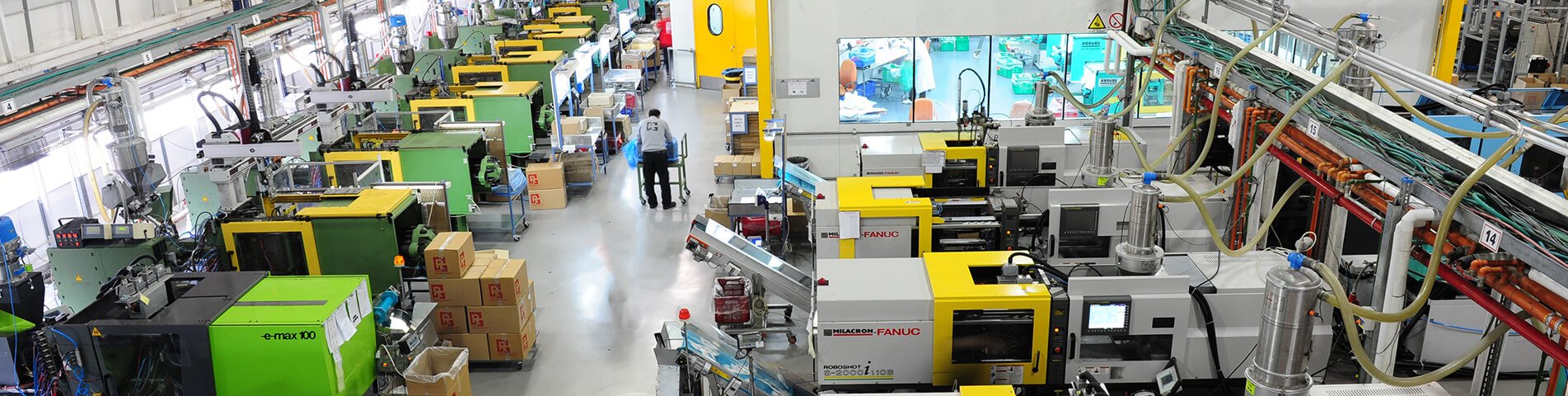
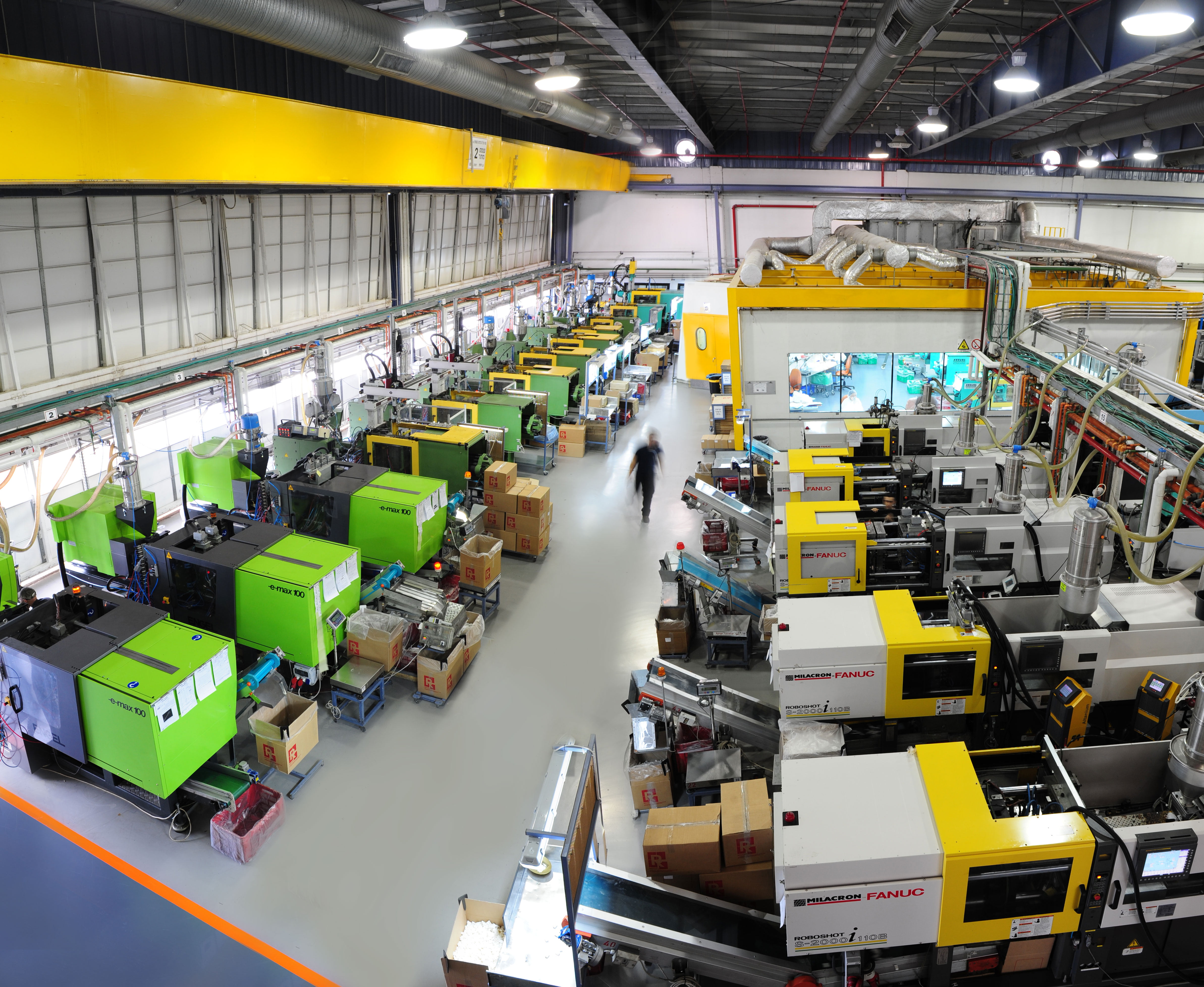
Rimoni keeps mold engineering, machining, build, maintenance and injection molding close together, so tooling decisions can be evaluated against real production requirements rather than in isolation.
FROM STEEL TO PRODUCTION
Mold design, machining, fitting, assembly and trial work inside the tooling operation.
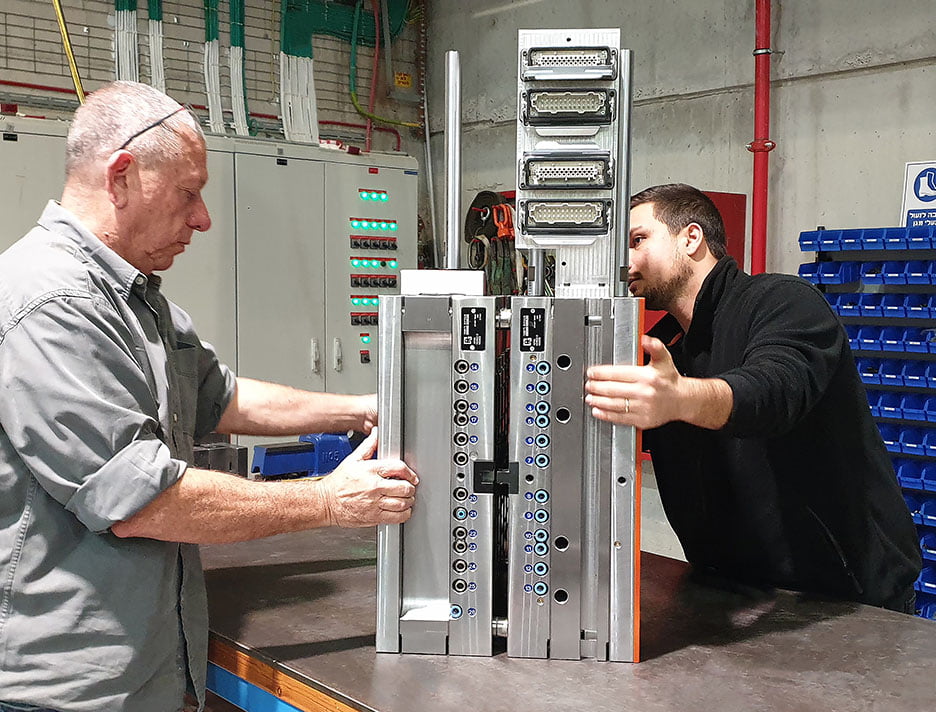

Cycle time, access, maintenance and process stability are considered during tooling decisions.
Tooling and molding teams can investigate issues and modifications inside one manufacturing organization.
Repair, refurbishment, engineering changes and preventive maintenance continue after launch.
Existing customer-owned molds can be evaluated, adapted and prepared for production transfer.
TOOLING CAPABILITY
Rimoni supports the complete tooling lifecycle, from mold engineering and precision machining through fitting, assembly, transfer, modifications and ongoing maintenance.
TECHNICAL RANGE
These figures are intended for early project qualification. Final mold architecture, size and manufacturing route depend on the part, press, material, production volumes and project requirements.
BUILD & SUPPORT
Finishing, fitting, assembly, trial work and ongoing maintenance connect the tool to production performance.
CONNECTED MANUFACTURING
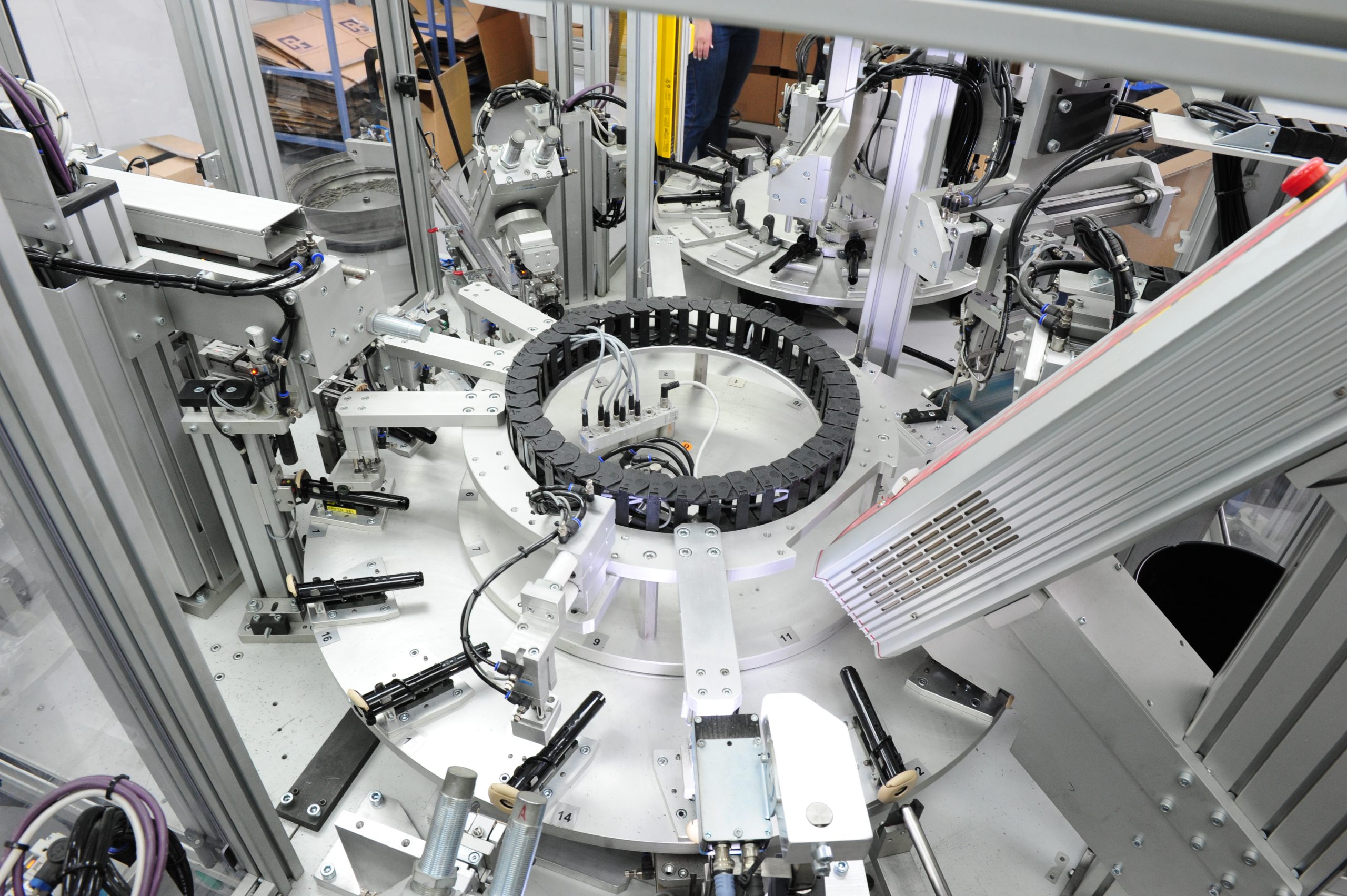
The mold can be delivered as a standalone project, or remain connected to the capabilities that precede and follow it in the manufacturing process.
SELECTED WORK
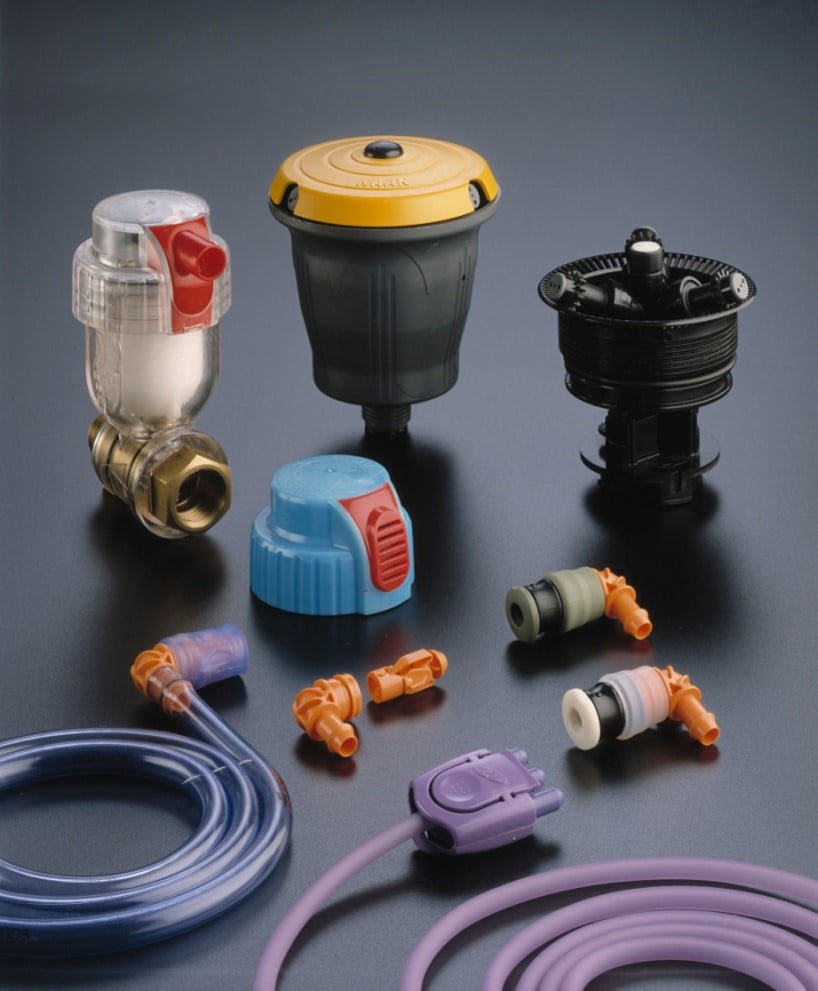
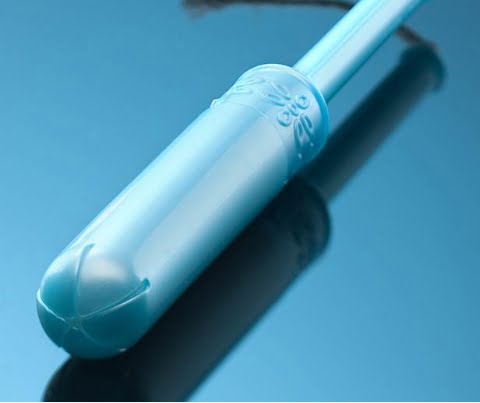
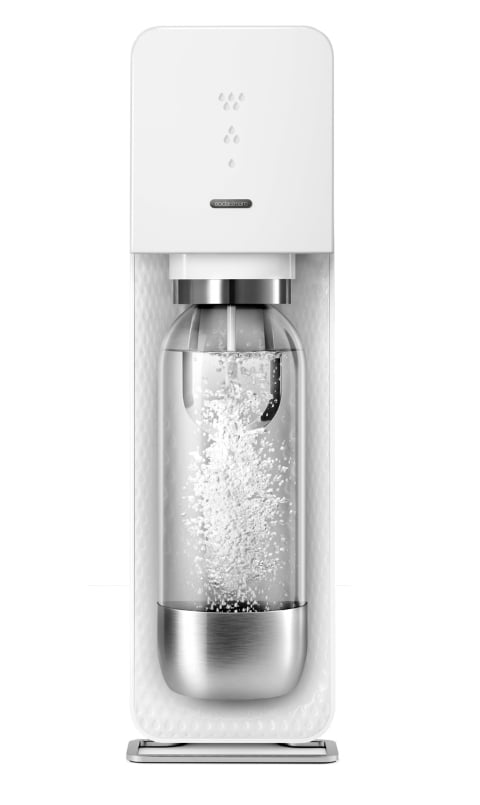
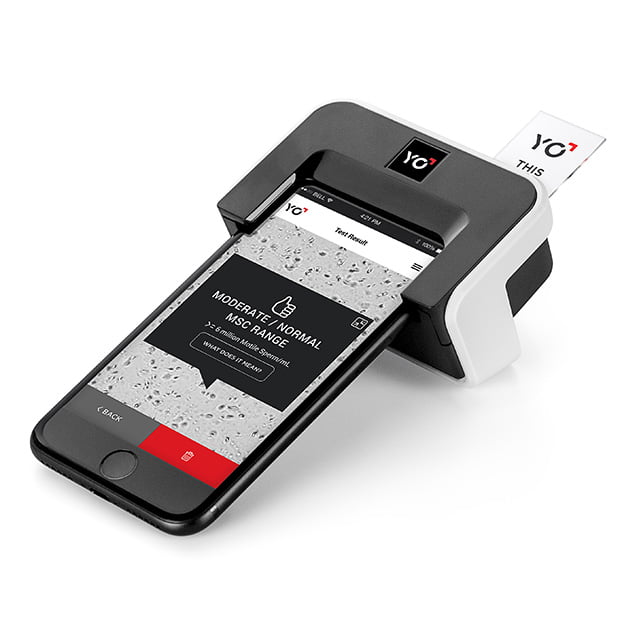
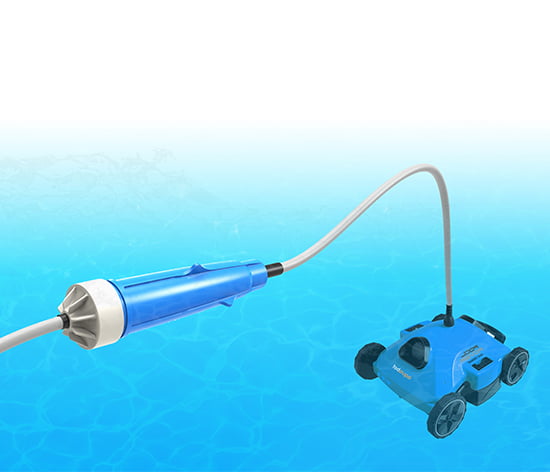
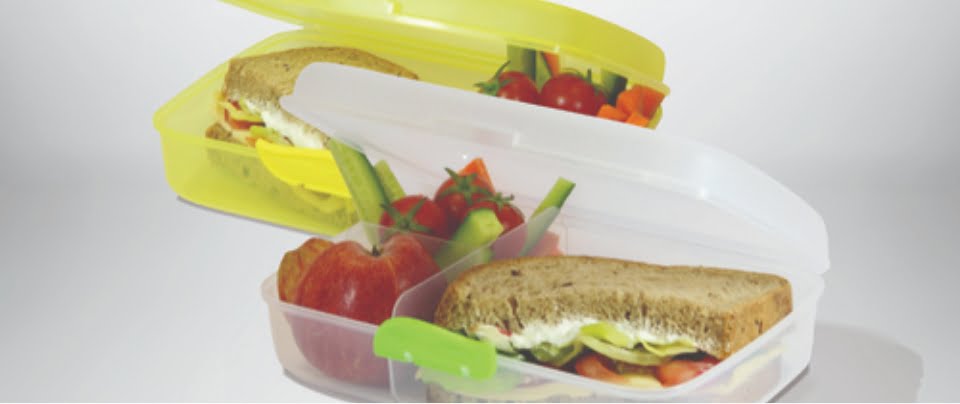
Selected products and manufacturing programs connected to Rimoni tooling expertise.
INDUSTRIES
Explore how tooling requirements change across products, validation needs, documentation and production environments.
KNOWLEDGE CENTER
Selected articles can expand on DFM, mold design, materials, transfer to production and the manufacturing decisions that affect tooling performance.

CASE STUDY · PRODUCT DEVELOPMENT & MANUFACTURING TRANSFER A dental device company came to Rimoni with a product that had already been developed by another company but had…
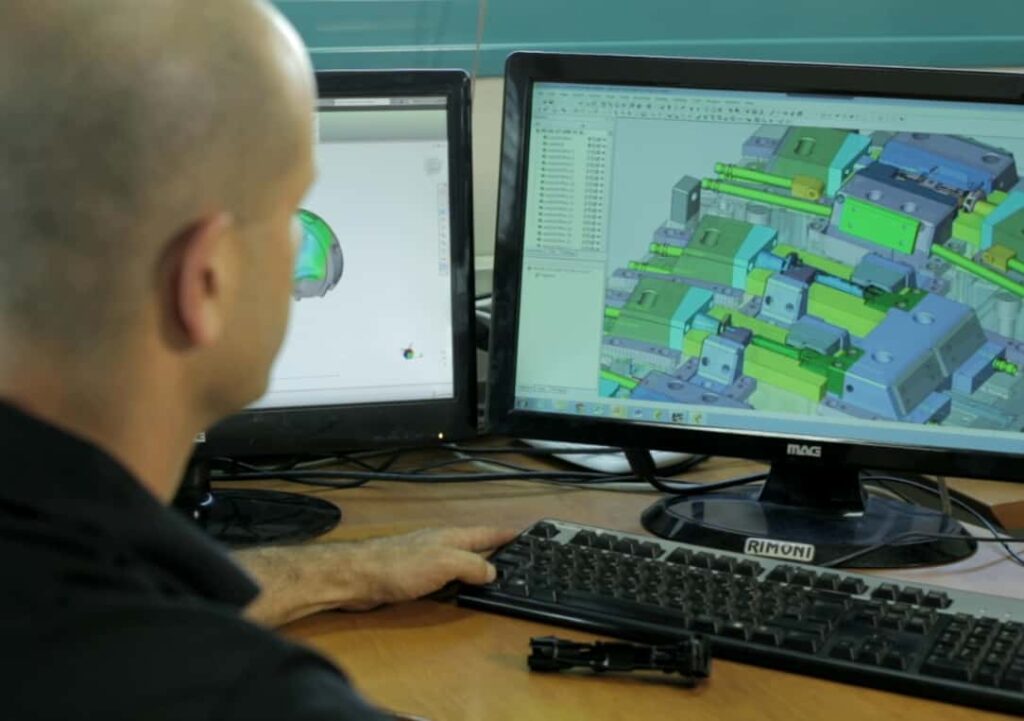
Why early mold design and DFM decide product quality: gating, cooling symmetry and ejection planning before steel is cut, and how in-house tooling shortens time-to-market.
MANUFACTURING CONFIDENCE
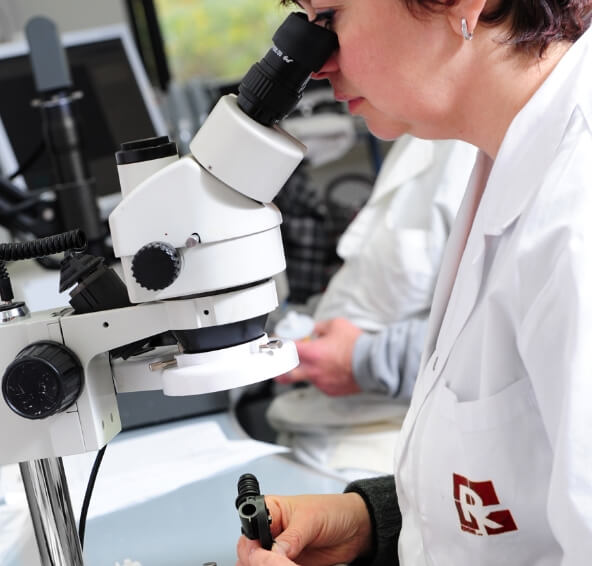
Dimensional inspection, fitting, trial work and project-specific approvals connect the mold to serial production. Tooling also sits inside a broader manufacturing organization with engineering, molding, quality and long-term support under one relationship.
FAQ
Yes. Existing molds can be reviewed, adapted, repaired and run in for transfer to serial production, subject to the condition of the mold and project requirements.
Rimoni manufactures thermoplastic injection molds, including complex, multi-cavity and family molds, according to the product, molding process and required production volumes.
Yes. Tooling can be provided as a standalone capability or connected to engineering, injection molding, assembly and long-term production support within Rimoni.
Yes. Rimoni supports engineering changes, repair and refurbishment, replacement of worn components and preventive maintenance according to the production program.
LET’S TALK
Send the drawing, CAD data or current mold status. We can review the product, tooling requirements and the path into stable production.