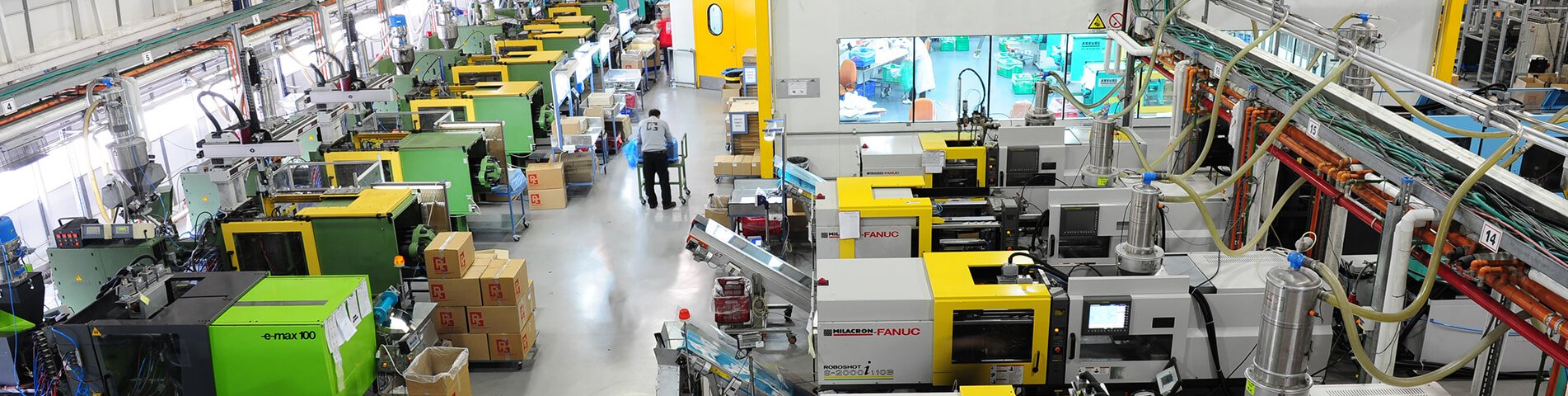
Fewer handoffs
Engineering, tooling and molding decisions stay connected.

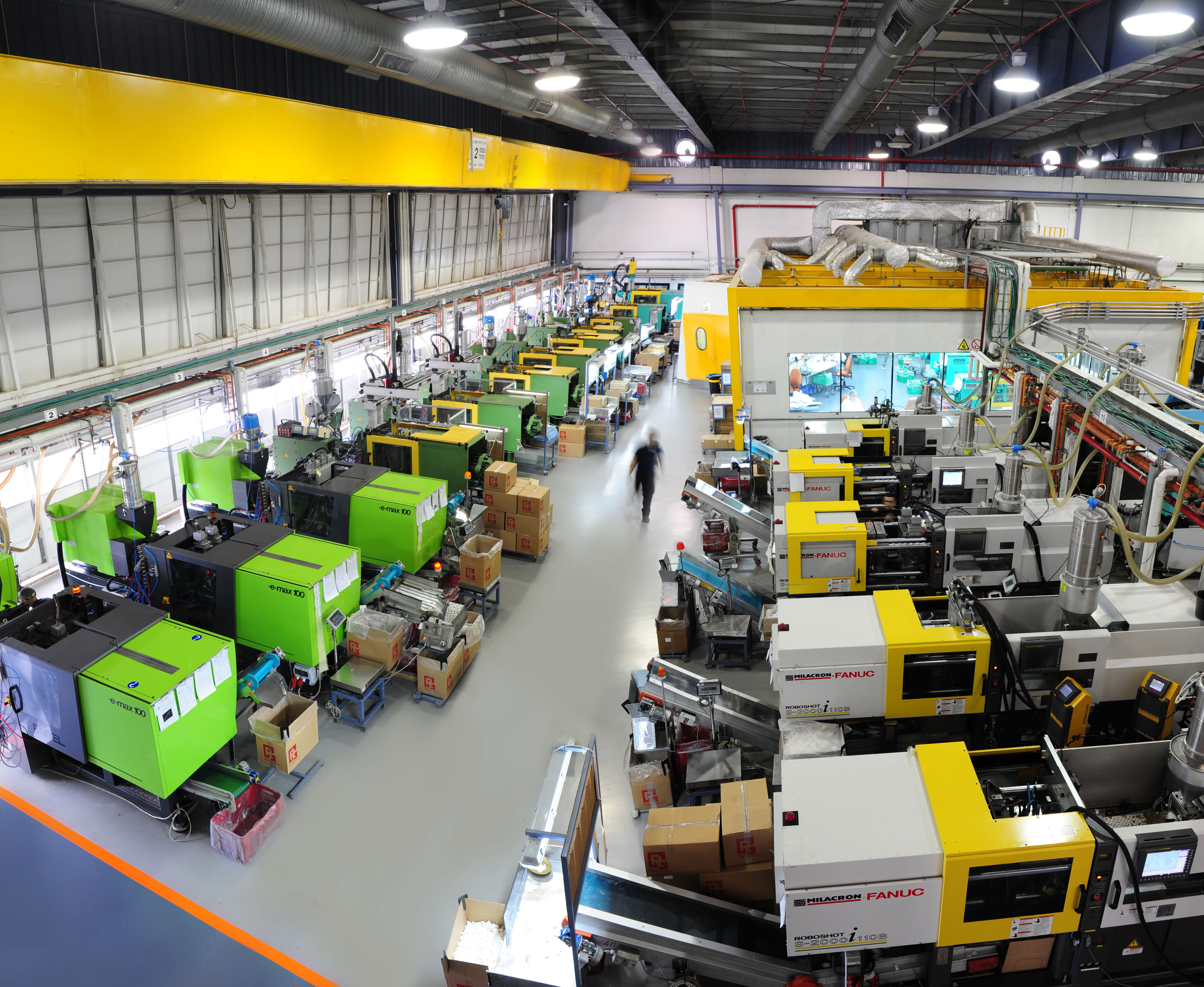
INJECTION MOLDING
Precision molding for complex components and high-volume serial production, backed by in-house tooling, engineering support and downstream manufacturing.
BUILT FOR SERIAL PRODUCTION
A machine can make a part. A manufacturing system has to keep making that part reliably as volumes, materials, tooling conditions and customer requirements evolve.
Rimoni connects engineering, mold manufacturing, injection molding and downstream operations inside one organization. That connection reduces handoffs and keeps technical decisions close to the people responsible for serial production.
INSIDE THE OPERATION
Machines, tooling, setup and real serial-production environments.
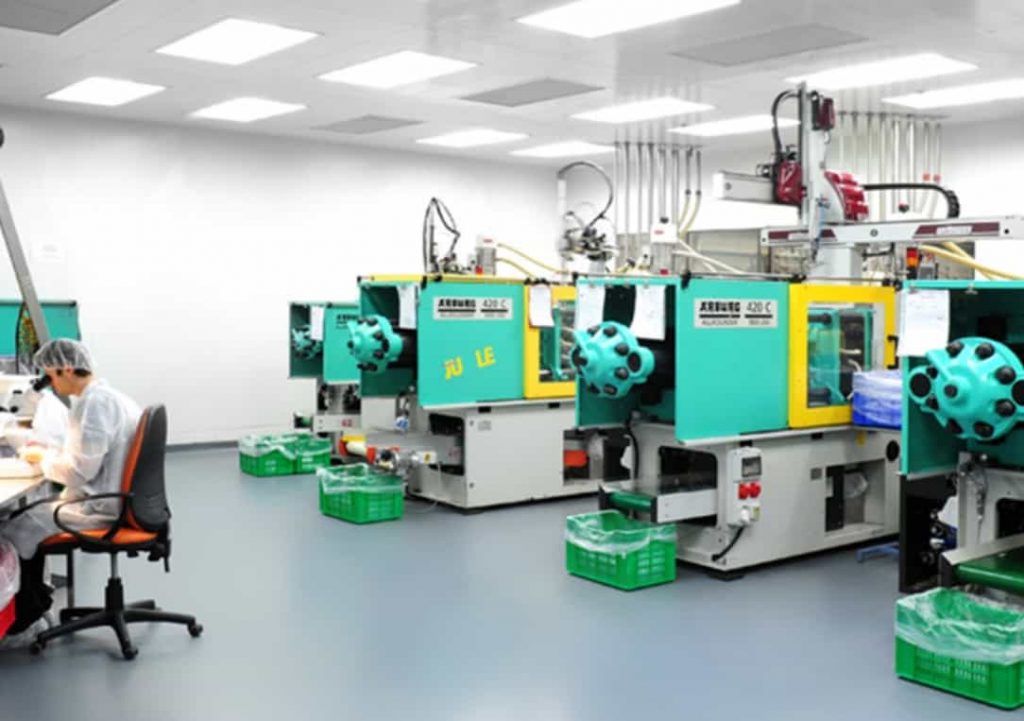
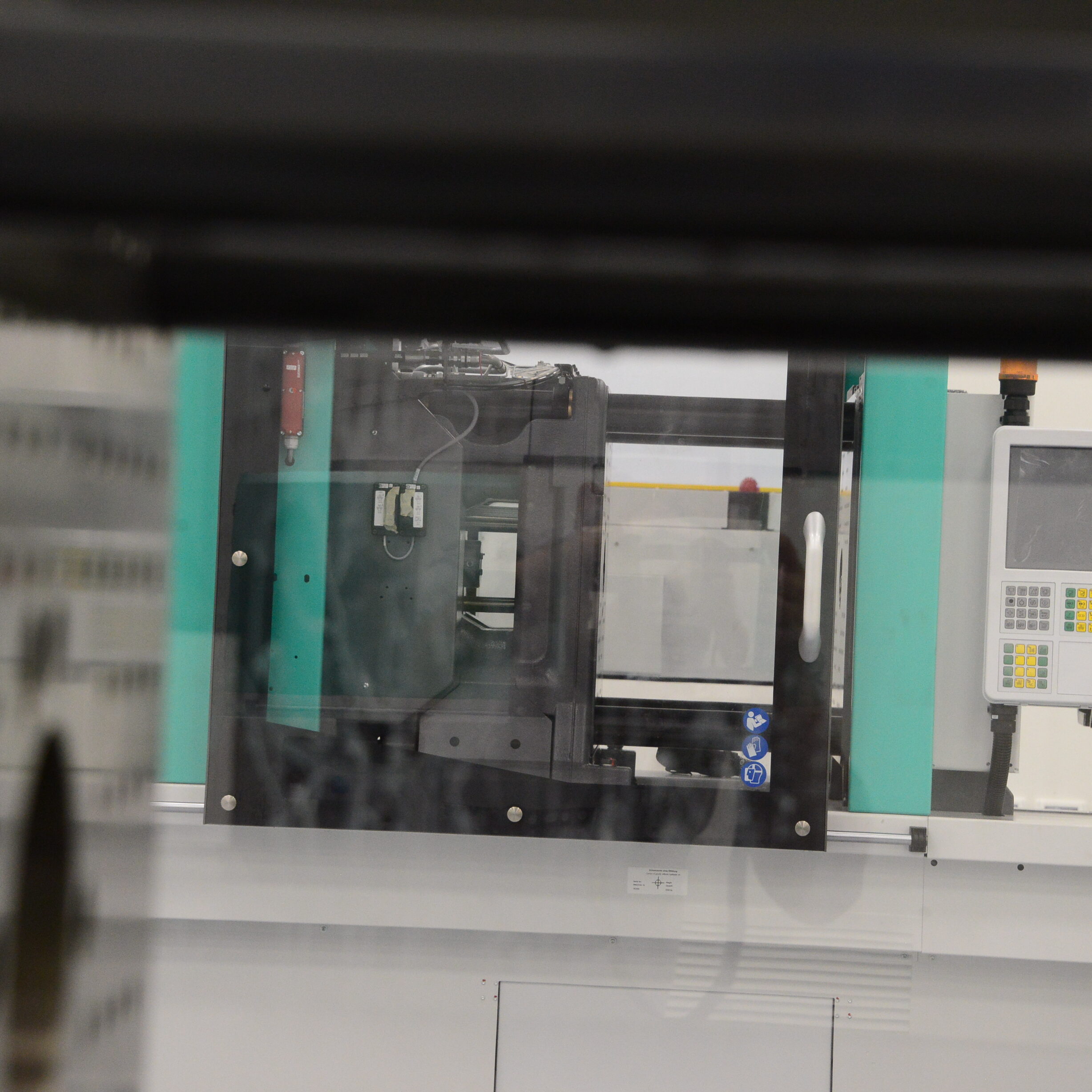

Engineering, tooling and molding decisions stay connected.
The team building the mold works alongside the manufacturing operation.
A broad machine base supports multiple programs and changing demand.
Technical changes, maintenance and production remain within one manufacturing relationship.
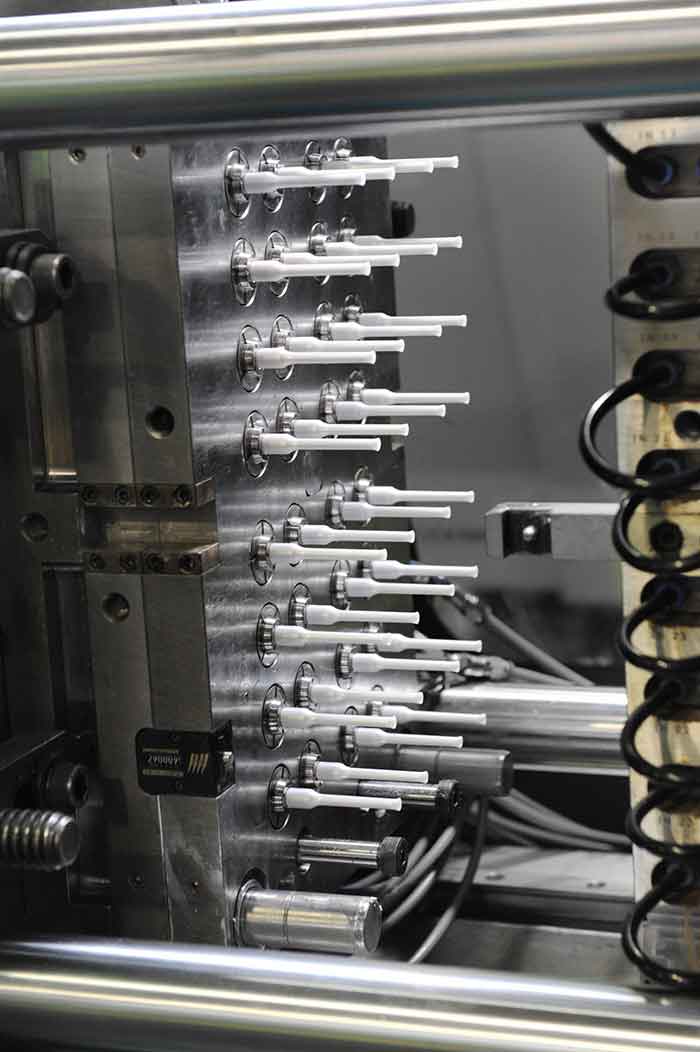
MOLDING TECHNOLOGIES
Geometry, materials, appearance, mechanical requirements and production volumes all influence the right molding approach. Rimoni supports several molding technologies and connects process selection to tooling and product engineering.
PRODUCTION RANGE
Initial qualification data. Final machine, mold and process selection is made against the actual part, material and production requirements.
MATERIALS
Material selection can follow a customer specification or be reviewed against mechanical, thermal, regulatory, availability and cost requirements.
CONNECTED CAPABILITIES
Each capability can stand alone. When the project requires several of them, the advantage is continuity between product engineering, tooling, molding and downstream manufacturing.
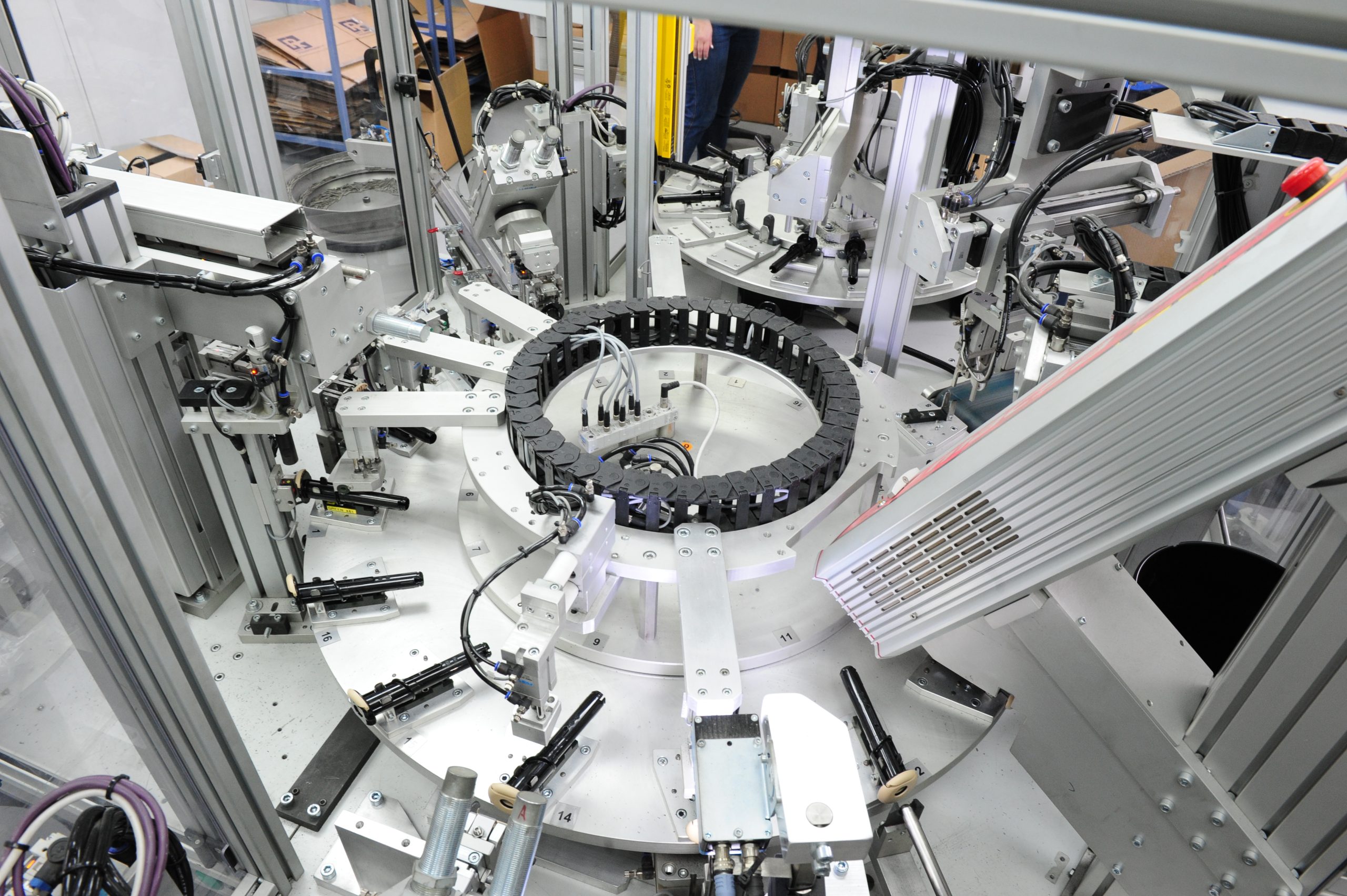

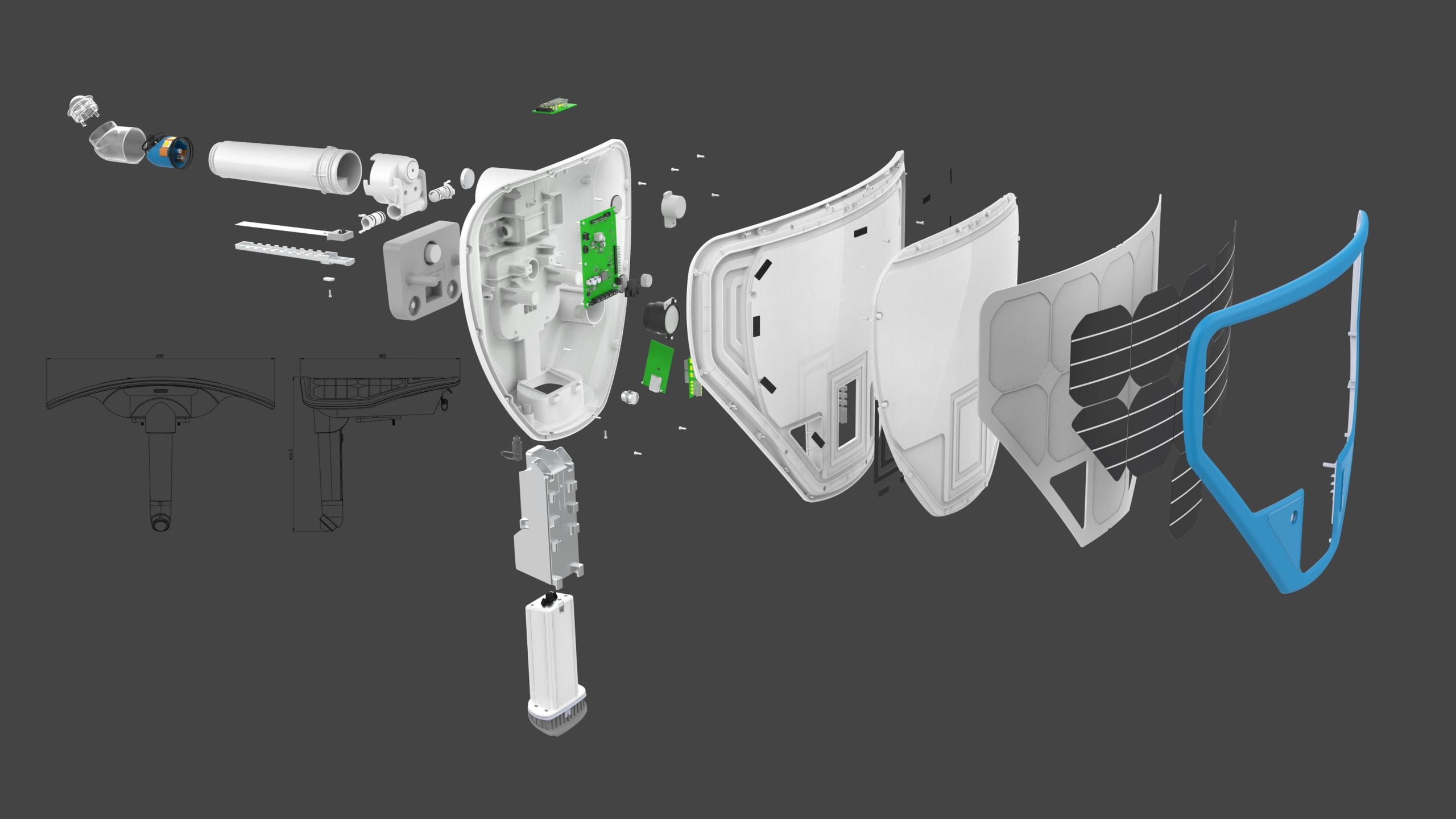

INDUSTRIES
Explore how the same molding capability is applied across different product, documentation and manufacturing requirements.
KNOWLEDGE CENTER
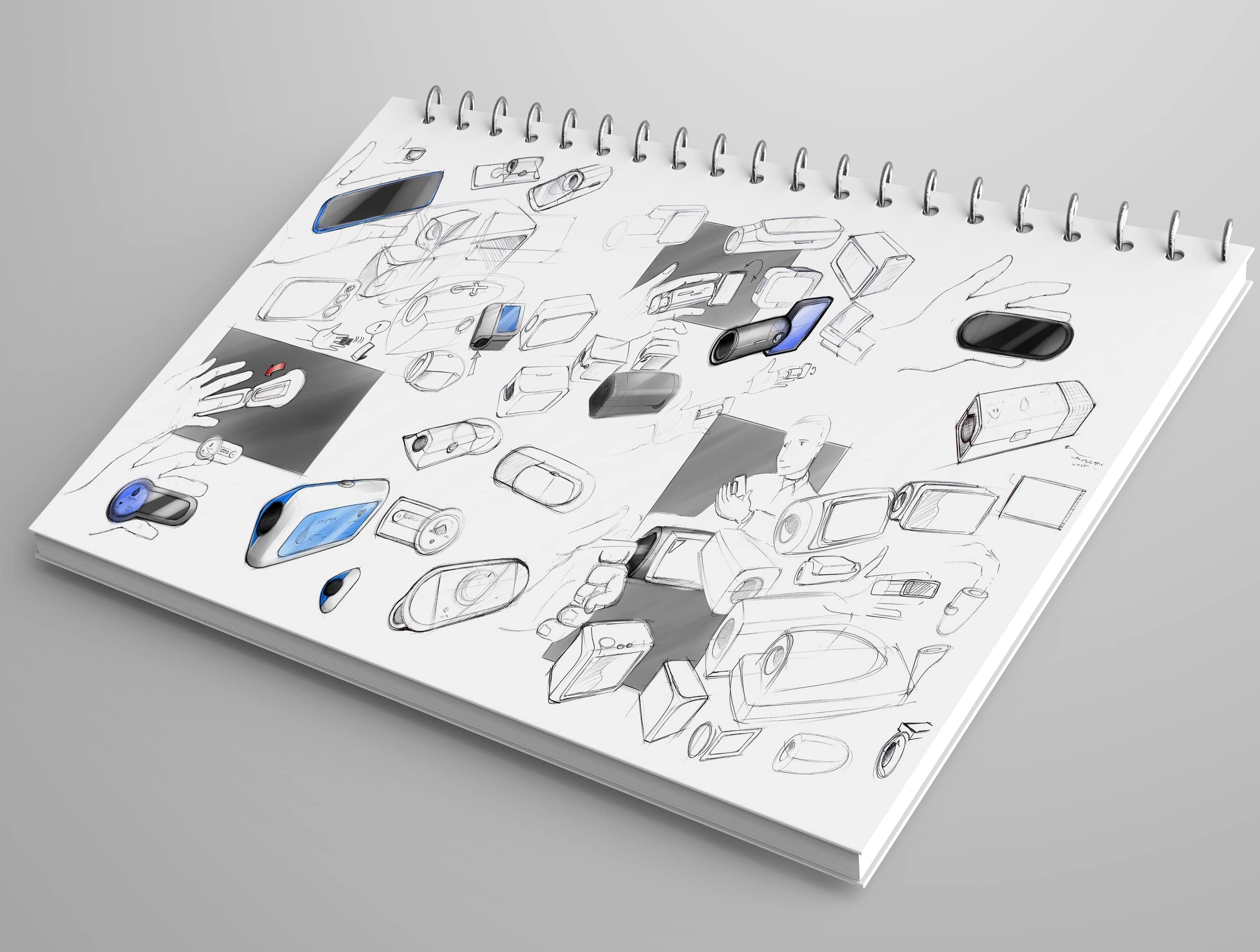
Selected articles expand on product development, DFM, materials and the transition into stable manufacturing.

CASE STUDY · PRODUCT DEVELOPMENT & MANUFACTURING TRANSFER A dental device company came to Rimoni with a product that had already been developed by another company but had…
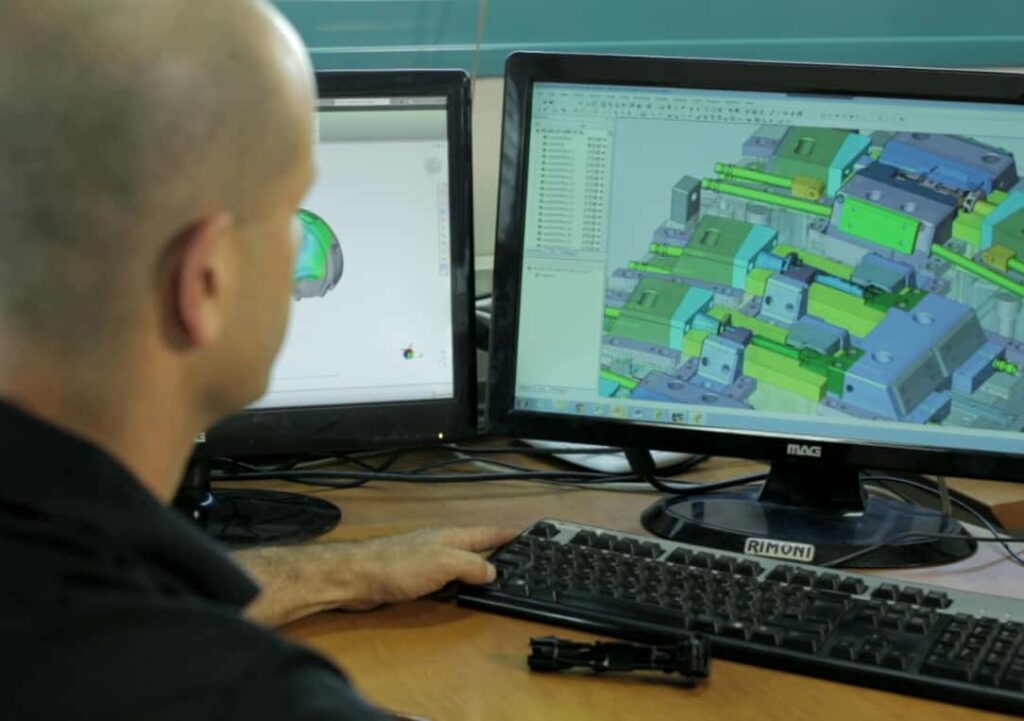
Why early mold design and DFM decide product quality: gating, cooling symmetry and ejection planning before steel is cut, and how in-house tooling shortens time-to-market.
MANUFACTURING CONFIDENCE
Inspection and measurement capabilities support dimensional control, process repeatability and project-specific approval requirements throughout serial production.
Quality & CertificationsRIMONI INDUSTRIES
Behind each molding program is the wider Rimoni organization: engineering, tooling, quality, production and long-term responsibility within one manufacturing group.
FAQ
Yes. Existing molds and production programs can be reviewed for transfer, technical changes, maintenance requirements and serial manufacturing.
Yes. Rimoni combines mold engineering and manufacturing with injection molding, enabling tooling decisions, modifications and maintenance to stay connected to production.
Depending on the product, Rimoni supports conventional injection molding, insert molding, overmolding and 2K / two-shot molding. The appropriate process depends on geometry, materials and production requirements.
Rimoni can join during engineering and DFM, before tooling, when a product is ready for serial production, or when an existing program needs to be transferred or improved.
Yes. Injection molding can be supplied as a standalone service or connected to assembly, testing and automation within the same manufacturing organization.
LET’S TALK
Send us the project details. We can review the product, tooling status, materials, volumes and the path to stable serial production.