Earlier risk reduction
Manufacturing issues can surface before tooling and serial-production commitments are made.

PRODUCT ENGINEERING & DFM
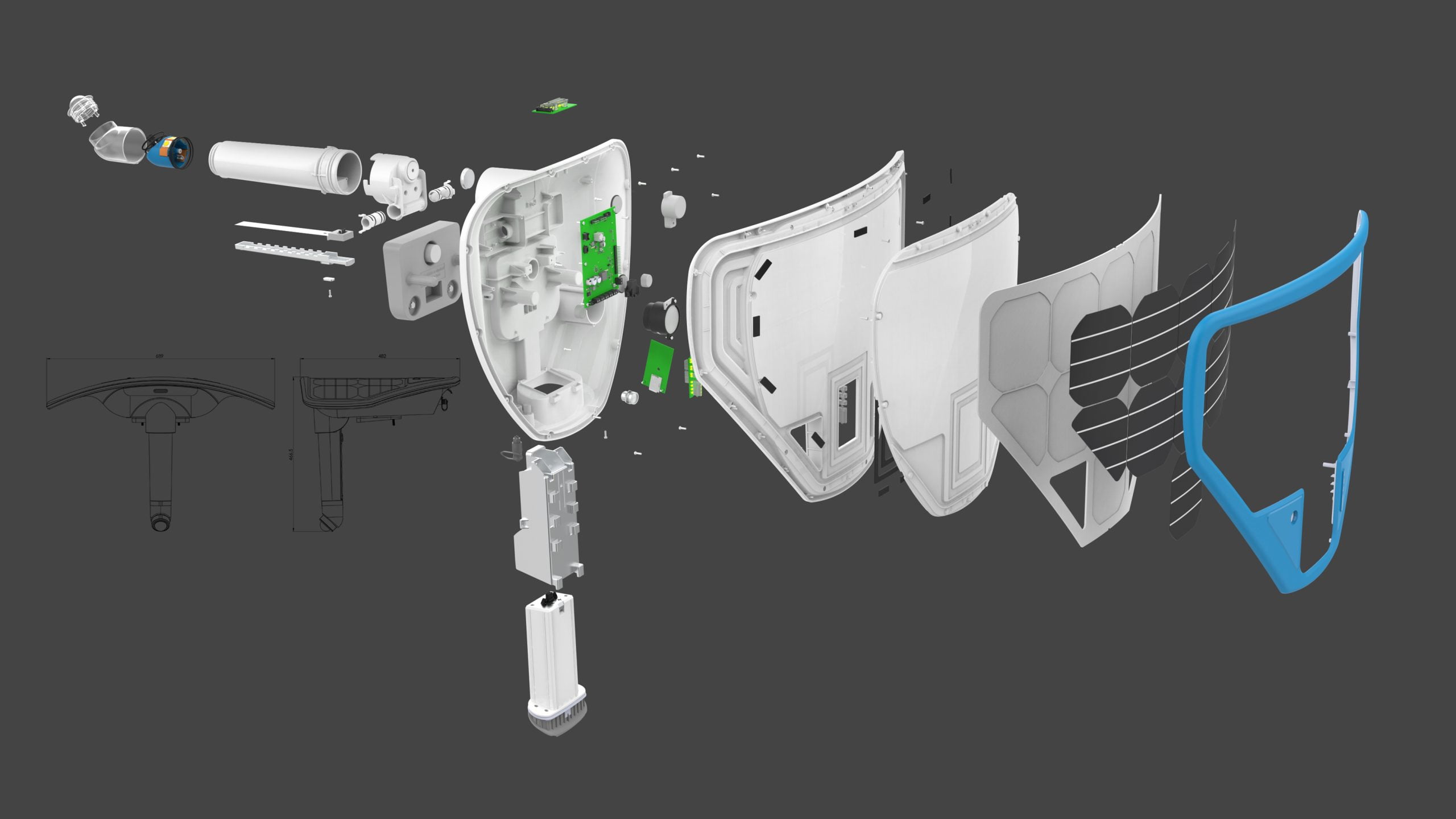
Engineering that connects product requirements to materials, tooling, injection molding, assembly and serial production before expensive manufacturing decisions are locked in.
MANUFACTURING STARTS IN ENGINEERING
Part geometry, wall thickness, draft, interfaces, tolerances and material choices all influence the mold, the molding process, assembly and long-term production stability.
Rimoni engineering works alongside tooling and manufacturing teams, so design decisions can be tested against production reality before they become expensive constraints.
Manufacturing issues can surface before tooling and serial-production commitments are made.
Geometry, materials and interfaces are reviewed before changes become slow and expensive.
Engineering choices are evaluated together with mold, process and assembly requirements.
The project can continue from DFM into tooling, molding and production without resetting the technical context.
ENGINEERING IN PRACTICE
Use this space for authentic images of CAD work, engineering reviews, prototypes, product measurements or engineers working directly with tooling and production.
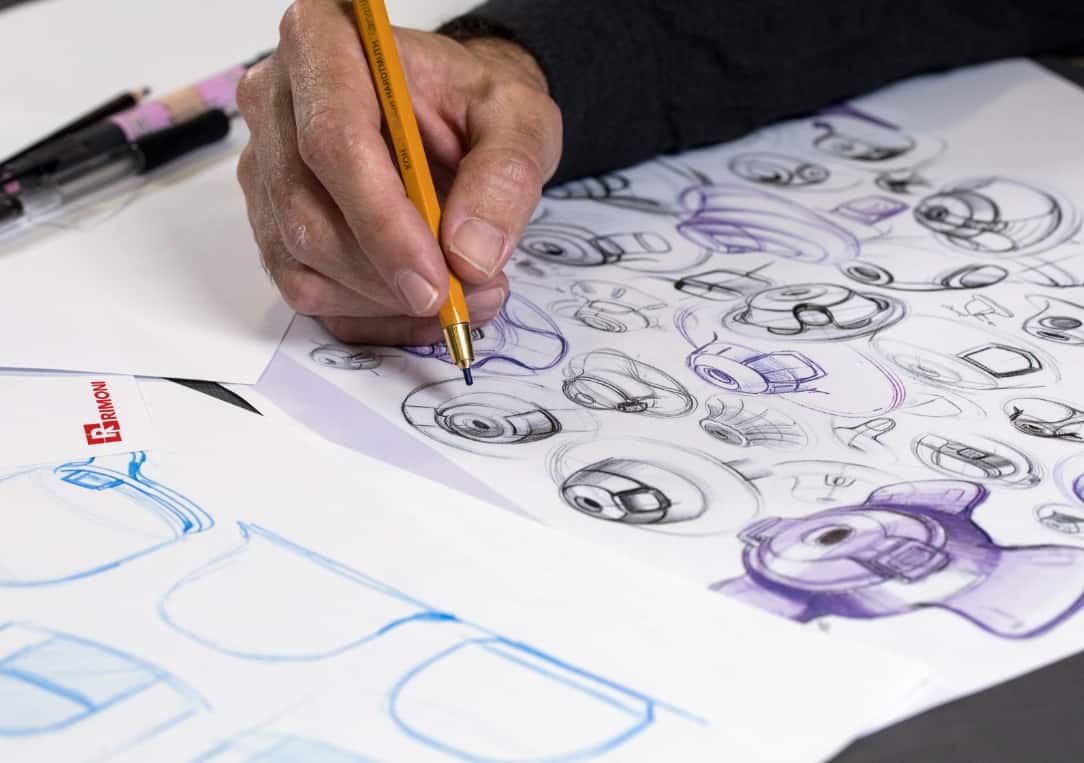
ENGINEERING CAPABILITY
The scope can begin with a concept, a partially developed product or an approved design that needs a focused manufacturing review.
DFM REVIEW
The exact review depends on the product and project stage. The objective is to identify constraints early and connect product intent to a stable manufacturing route.
CONNECTED CAPABILITIES
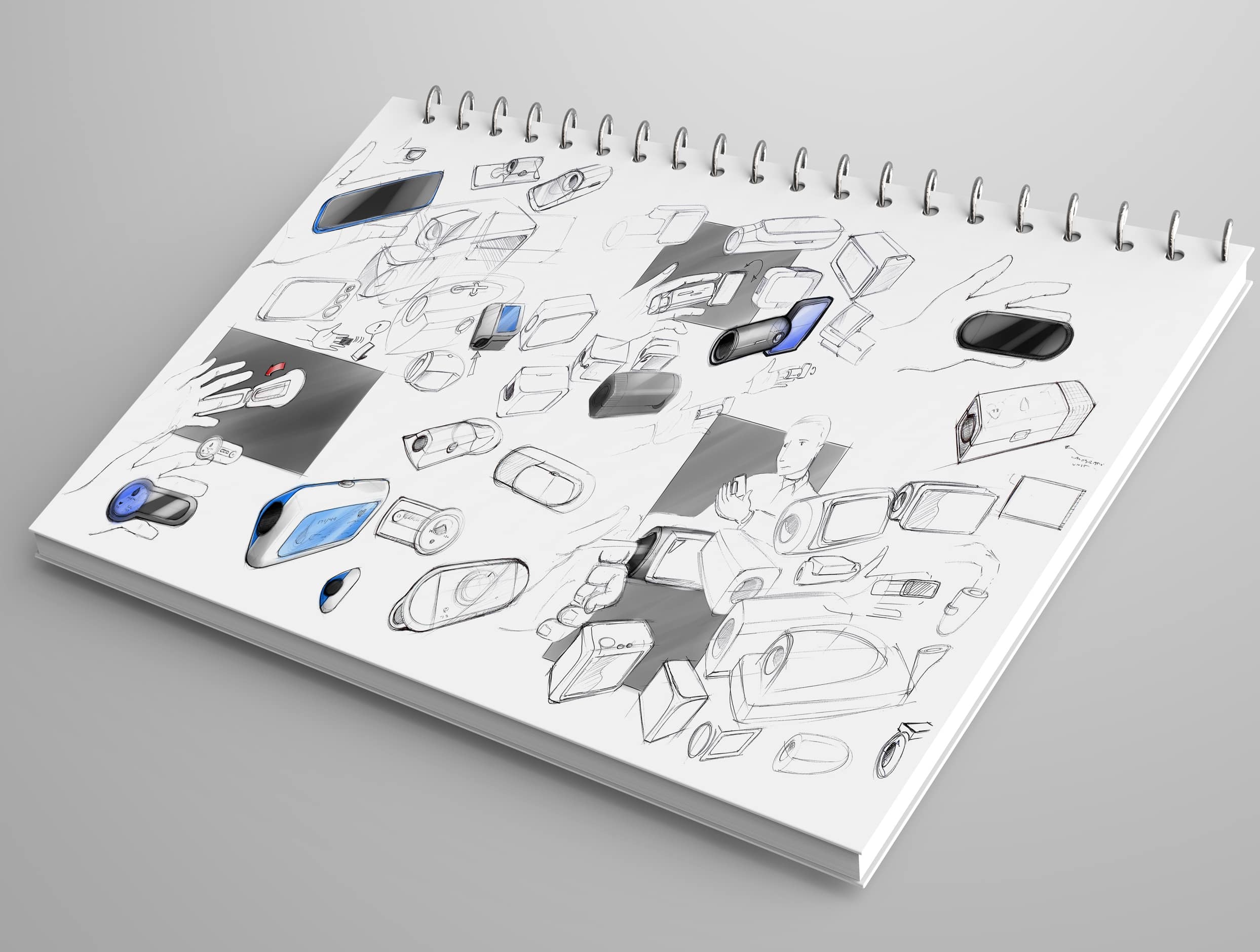
User needs, product form and functional intent can be developed together before detailed engineering begins.

Engineering decisions are reviewed against real mold architecture, machining and maintenance requirements.
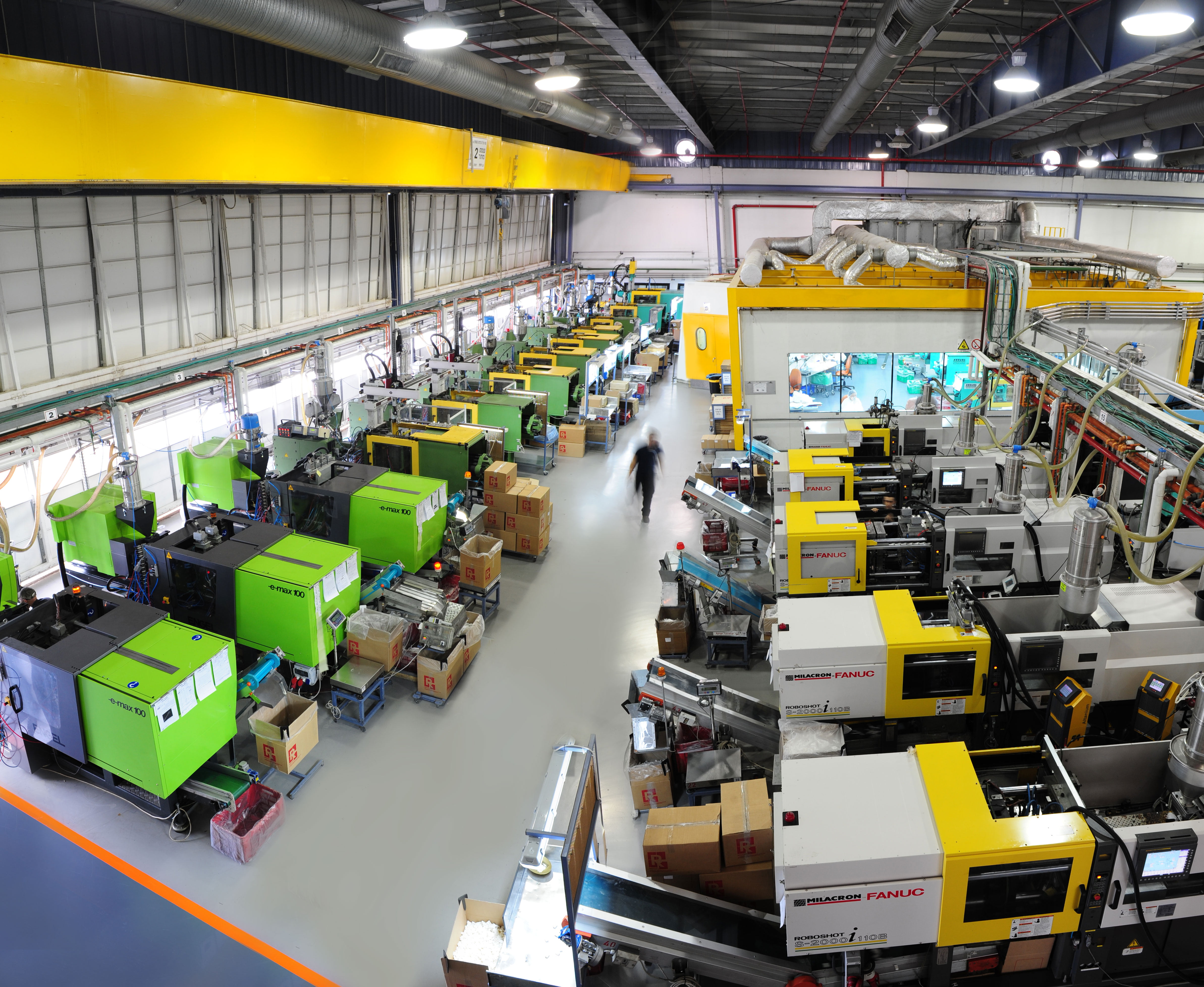
Part geometry, material and tolerances stay connected to the process that will manufacture the product at scale.
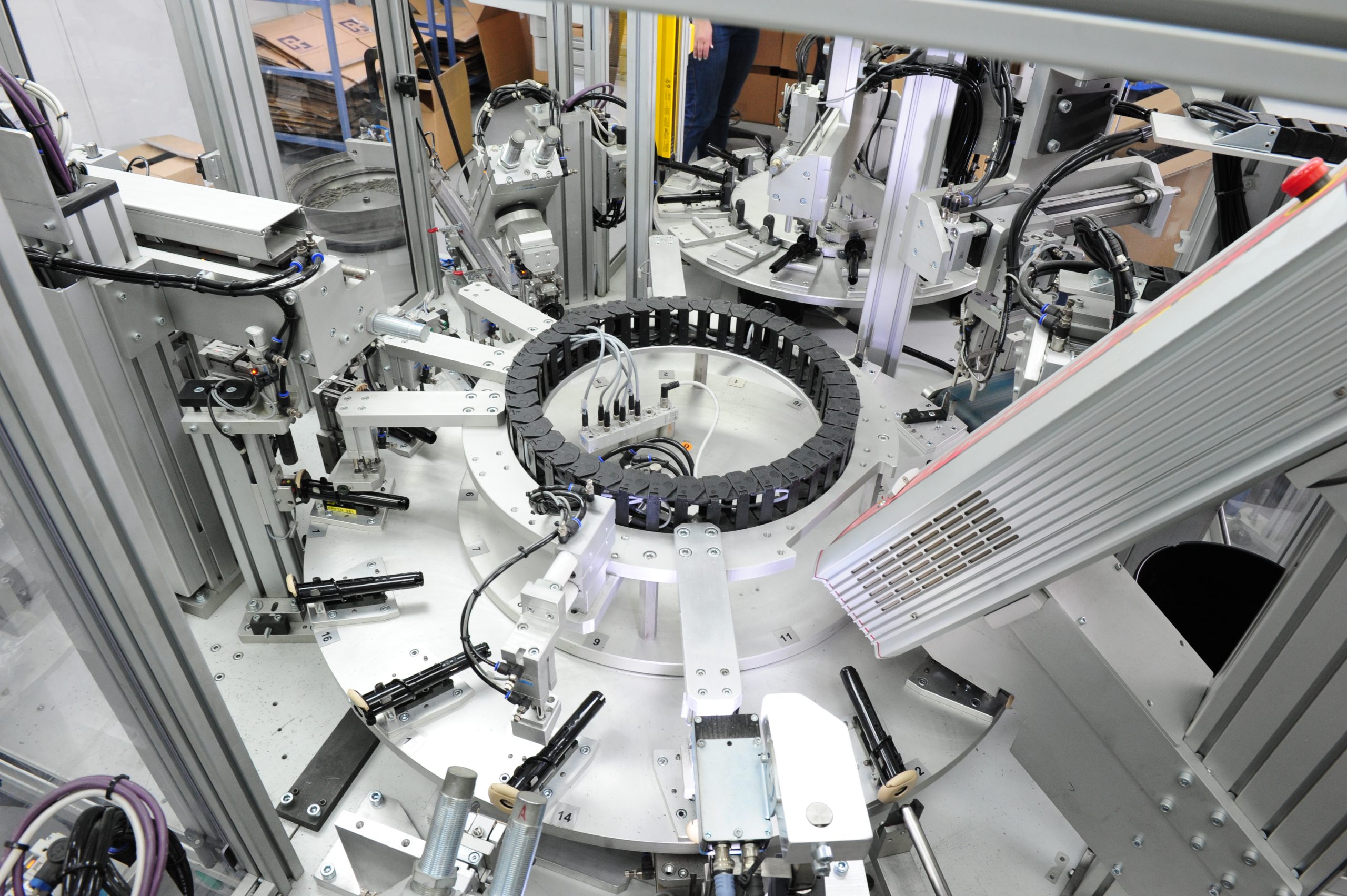
Interfaces, joining methods and downstream handling can be considered before product geometry is frozen.
SELECTED PROJECTS
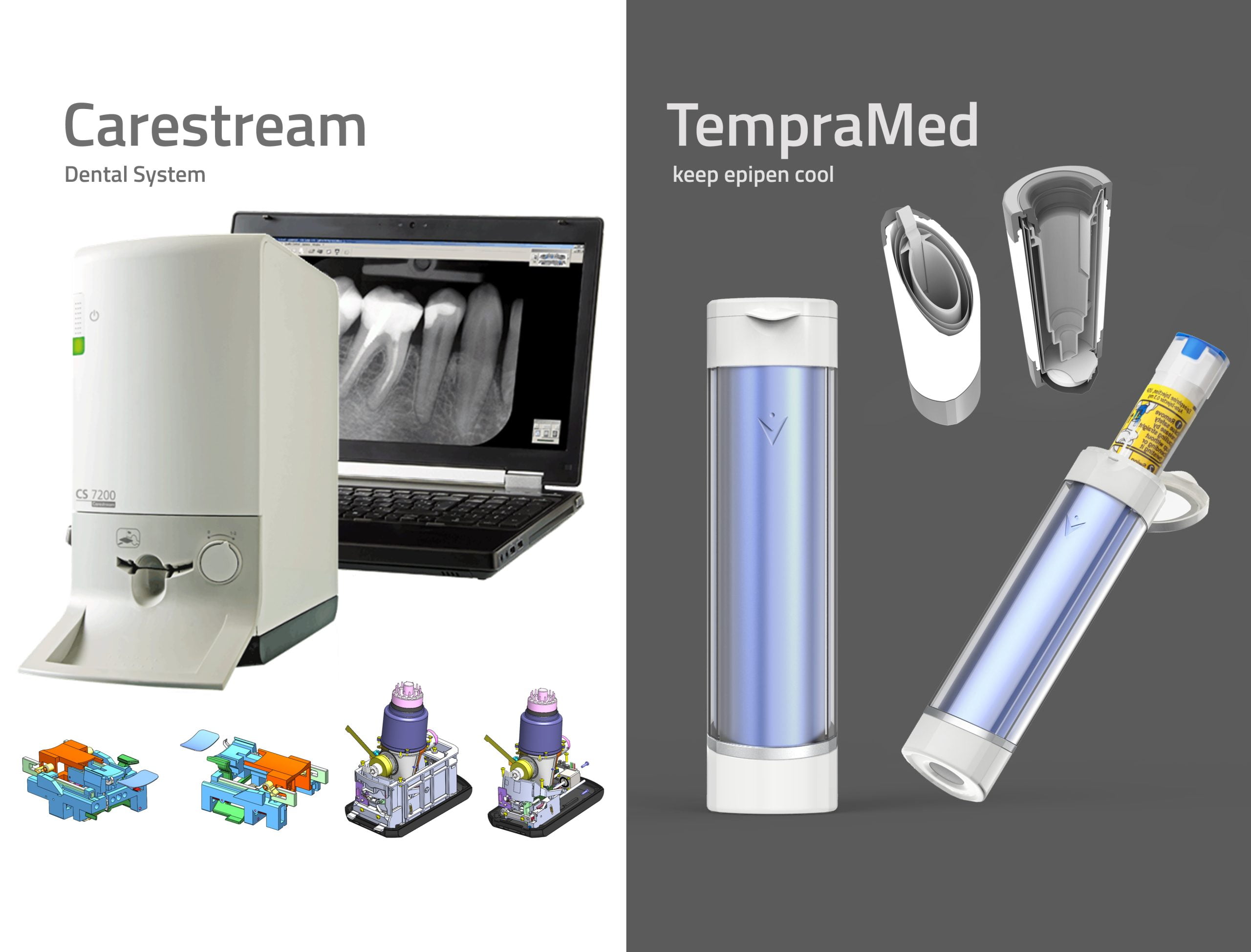
Selected projects from the existing Engineering page show how design, DFM, tooling and manufacturing come together in real products.
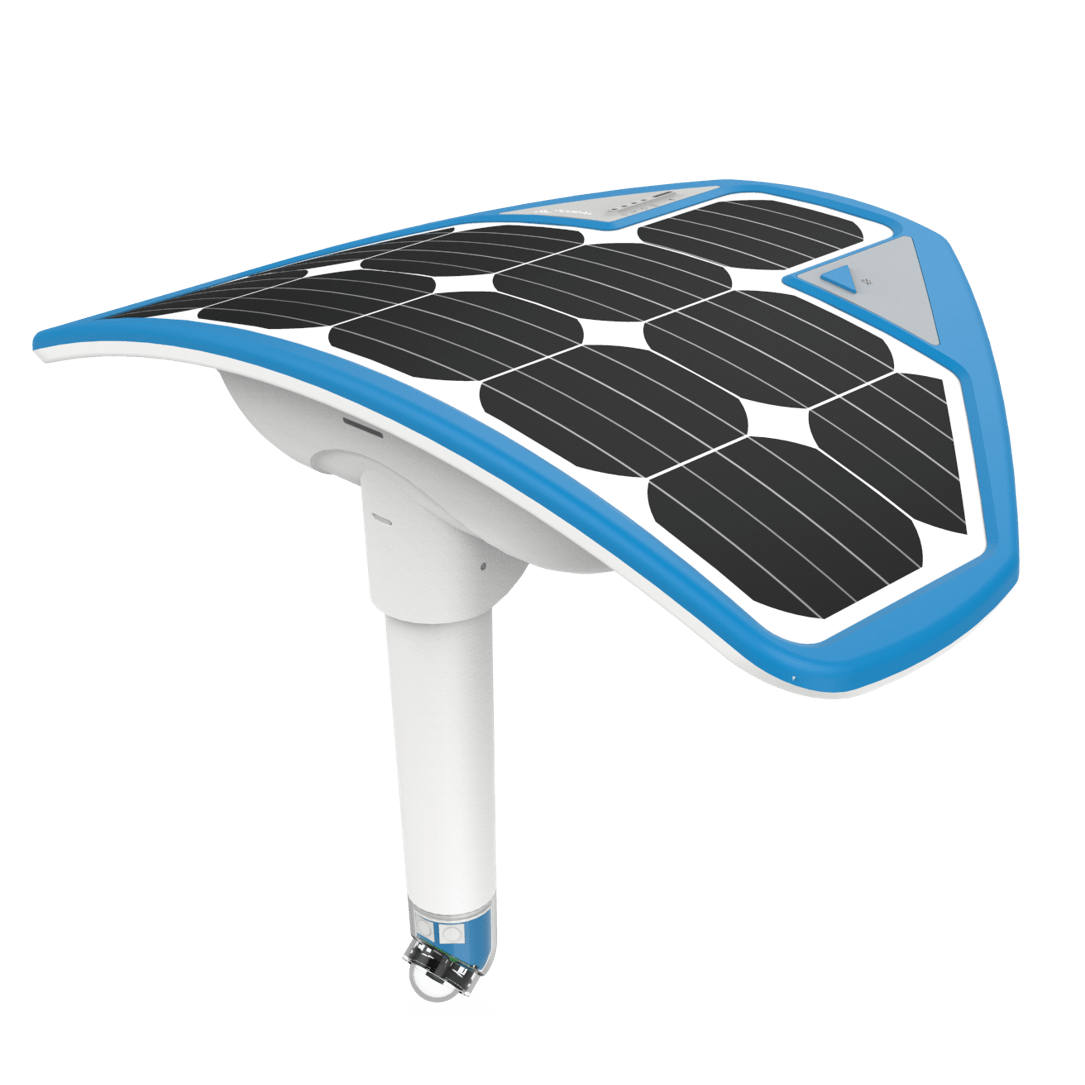
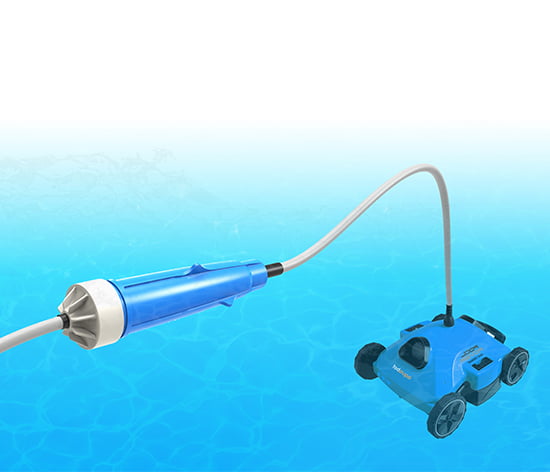
The CORAL System gives you the peace of mind you need when owning a private pool… It is constantly watching and analyzing your pool…

The Cnoga All-In-One measures 15 biomedical parameters non-invasively, including blood glucose. A device that reads through tissue depends on the optical path staying identical…
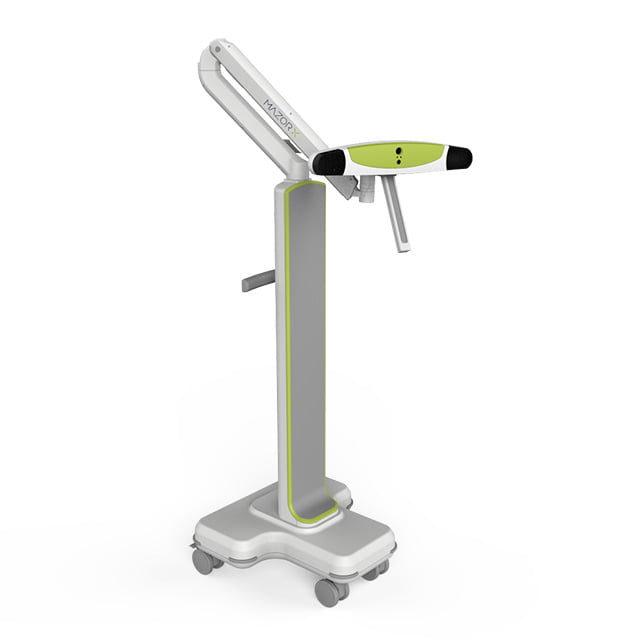
The surgical navigation system enables surgeons to precisely track the location of surgical instruments throughout a procedure.
INDUSTRIES
Materials, regulation, appearance, interfaces, environment and production volumes can change the right design direction significantly.
KNOWLEDGE CENTER
Selected articles can expand on DFM, materials, product transfer, mold design and the decisions that shape stable serial production.

CASE STUDY · PRODUCT DEVELOPMENT & MANUFACTURING TRANSFER A dental device company came to Rimoni with a product that had already been developed by another company but had…
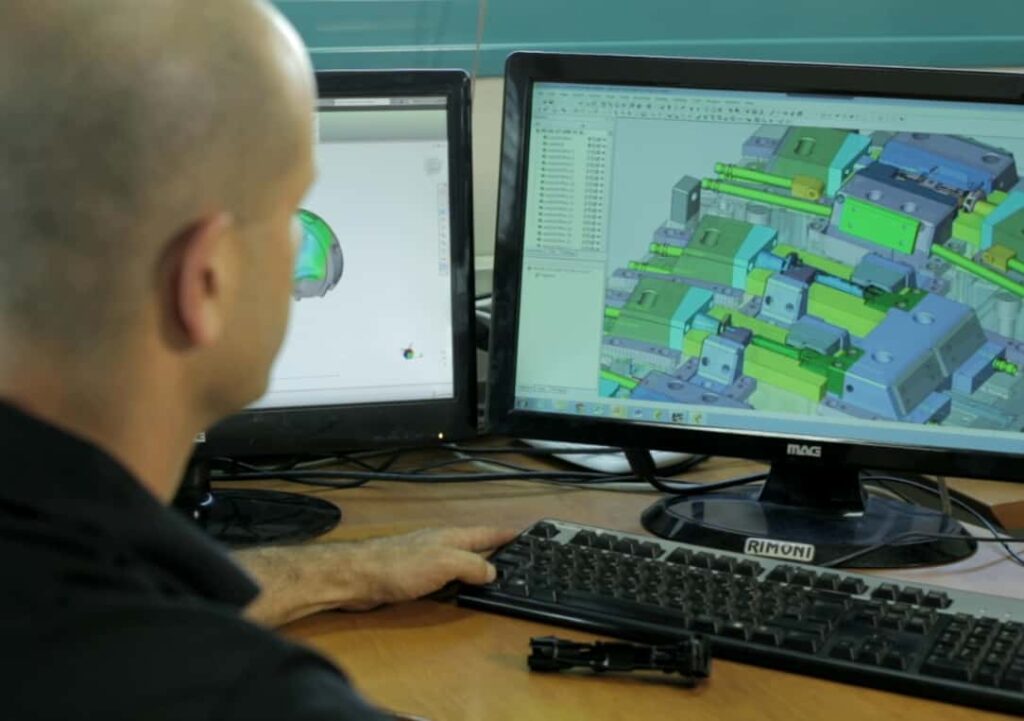
Why early mold design and DFM decide product quality: gating, cooling symmetry and ejection planning before steel is cut, and how in-house tooling shortens time-to-market.
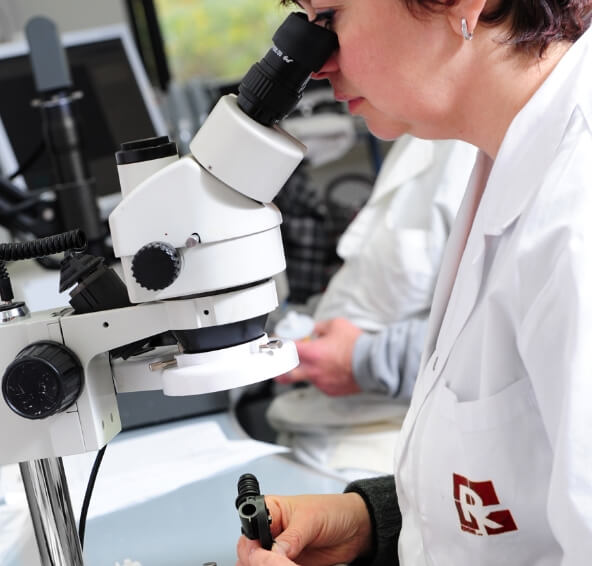
QUALITY AS AN ENGINEERING INPUT
Functional requirements, tolerances, materials, inspection needs and project-specific documentation are stronger when they are considered during engineering rather than added at the end.
Quality & Certifications
ENGINEERING INSIDE A MANUFACTURING GROUP
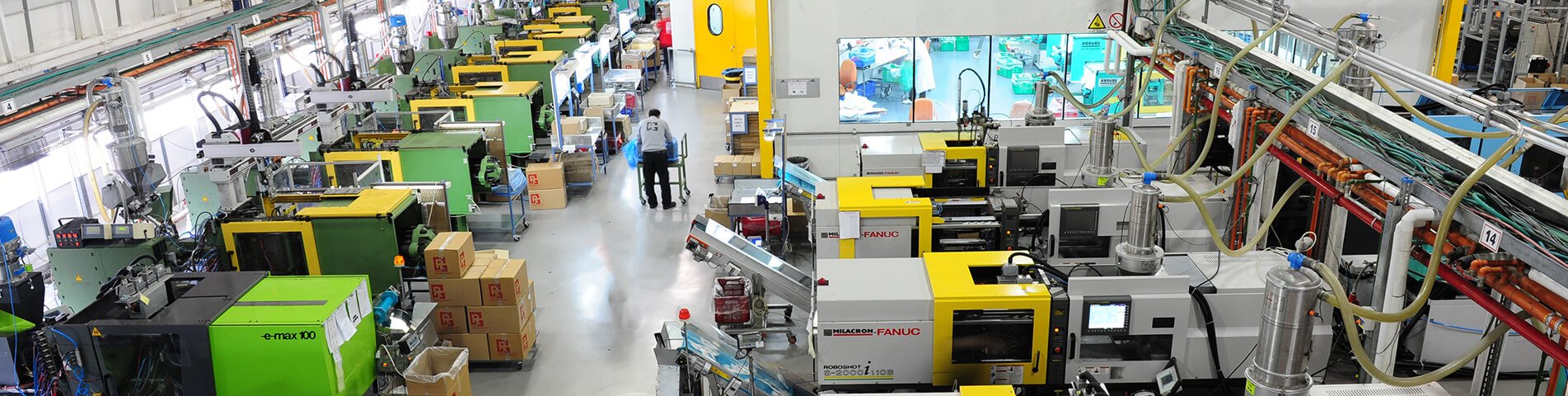
Rimoni combines engineering, tooling, injection molding, cleanroom production, assembly and automation. That context lets engineering decisions be evaluated against the full manufacturing path rather than a single isolated stage.
FAQ
Rimoni can join from an early concept, during detailed engineering and DFM, or later when an existing design needs review before tooling, transfer or serial production.
Yes. A focused DFM review can identify manufacturing risks, geometry issues, material considerations and tooling constraints while preserving the approved product intent wherever possible.
Yes. Material selection can be reviewed against functional, mechanical, regulatory, molding and commercial requirements, together with the specific part geometry and production process.
Yes. Engineering can continue directly into mold design and manufacturing, injection molding, assembly and serial production, reducing technical handovers between separate suppliers.
LET’S TALK
Send what you already have. We can review the product, identify the right engineering scope and connect the work directly to tooling and production when relevant.