
SPECIALIZED MANUFACTURING PROCESSES
Specialized processes that extend the core manufacturing capabilities.
Not every manufacturing technology needs to become a standalone capability page. Rimoni integrates specialized molding, tooling, joining, inspection, marking and downstream processes according to the product and production requirements.
BEYOND THE CORE CAPABILITIES
The right process follows the product, not a service checklist.
Rimoni’s six core capabilities define the main manufacturing path. Within that path, specialized processes can solve functional requirements, reduce assembly steps, improve process control or complete the route into serial production.
This page keeps those processes together instead of turning every technology into a separate capability. The list is fully editable as Rimoni’s manufacturing scope evolves.
SPECIALIZED PROCESSES
Processes that can be integrated into the manufacturing route.
Each process is evaluated together with the product, material, mold, assembly method and expected production volume. The list is not fixed and can be expanded or reduced as the manufacturing scope changes.
Advanced Molding Processes
Molding processes that integrate more than one material, an inserted component or an additional function directly into the manufacturing cycle.
The process can combine hard and soft areas, sealing, grip, color or different functions in one part and can reduce separate assembly operations.
Typical applications: Multi-material products, grip areas, seals, parts with two functional requirements and products that integrate more than one color.
Engineering and manufacturing considerations: Material compatibility, shrinkage, interface geometry, molding sequence and the design of the mold and equipment must be considered together. Injection Molding
Overmolding can add grip, sealing, protection, tactile properties or another function while reducing separate parts and assembly steps.
Typical applications: Handles, seals, soft-touch areas, component protection and products that integrate multiple functions in one molded assembly.
Engineering and manufacturing considerations: Bonding is grade-specific. Mechanical retention, processing temperatures, geometry and differential shrinkage also need to be reviewed. Injection Molding
The process can produce an integrated assembly directly in the mold and reduce downstream operations when the product and insert are suitable for the process.
Typical applications: Metal threads, pins, contacts, connectors and components that need to remain integrated within a molded plastic part.
Engineering and manufacturing considerations: Insert location and retention, tolerances, loading, heat, material flow and the loading method need to be considered in the process design. Injection Molding
Tooling Lifecycle & Production Transfer
Support for existing molds and manufacturing programs that need to move, change or remain stable over the life of the product.
A successful transfer is more than installing the mold in another machine. The tool history, material, spare parts, hot runner, process window, quality requirements and required validation need to be understood before stable production.
Typical applications: Supplier changes, site transfers, reshoring, capacity expansion and stabilization of an existing production program.
Engineering and manufacturing considerations: Documentation, steel and component condition, machine compatibility, spare parts, failure history and process revalidation need to be reviewed. Molds Manufacturing
Where technically feasible, a controlled mold modification can support a product update without replacing the complete tool. Feasibility is reviewed against the existing construction and its effect on quality and production.
Typical applications: Geometry updates, gate, cooling or ejection changes, mechanism modifications and adaptations for a revised manufacturing process.
Engineering and manufacturing considerations: Available steel, tool condition, flow and cooling effects, tolerances, structural integrity and reversibility should be reviewed before the change. Molds Manufacturing
Work may include wear components, surfaces, mechanisms, shutoffs, hot runner systems and other elements that influence part quality and operational reliability.
Typical applications: Molds in serial production, transferred tools and molds that require life extension or improved production stability.
Engineering and manufacturing considerations: The maintenance approach should reflect tool condition, production volume, material, failure history and the critical components of the mold. Molds Manufacturing
Joining & Assembly Operations
Joining and downstream operations selected according to product construction, materials, production rate and control requirements.
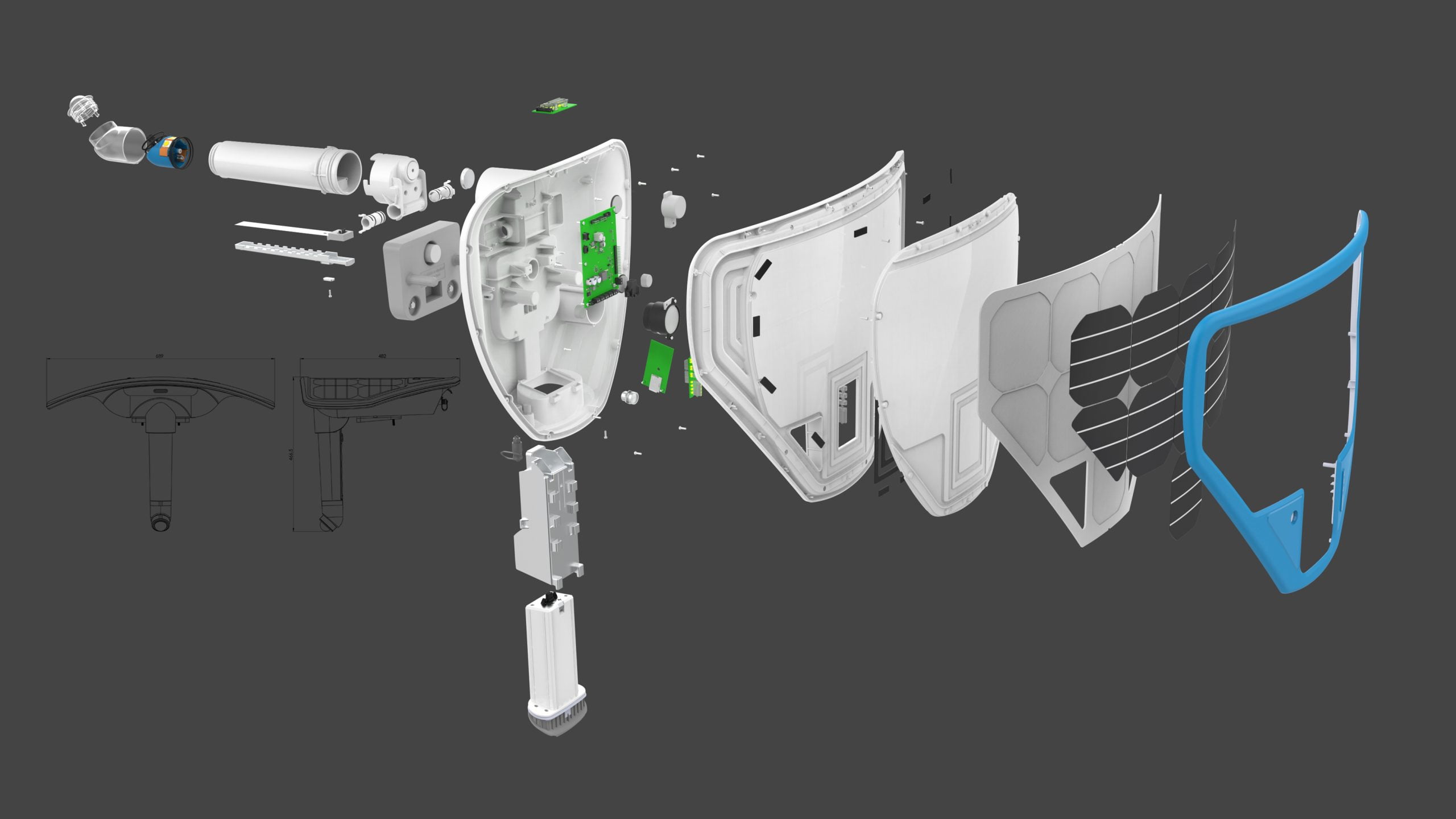
The application needs coordination between product design, the weld interface, fixturing and process parameters to achieve a repeatable result in serial production.
Typical applications: Plastic housings, assemblies, medical products and products that require joining without additional mechanical fasteners.
Engineering and manufacturing considerations: Material, energy director, fixturing, geometry, sensitivity of internal components and acceptance criteria all affect the process. Advanced Assembly & Automation
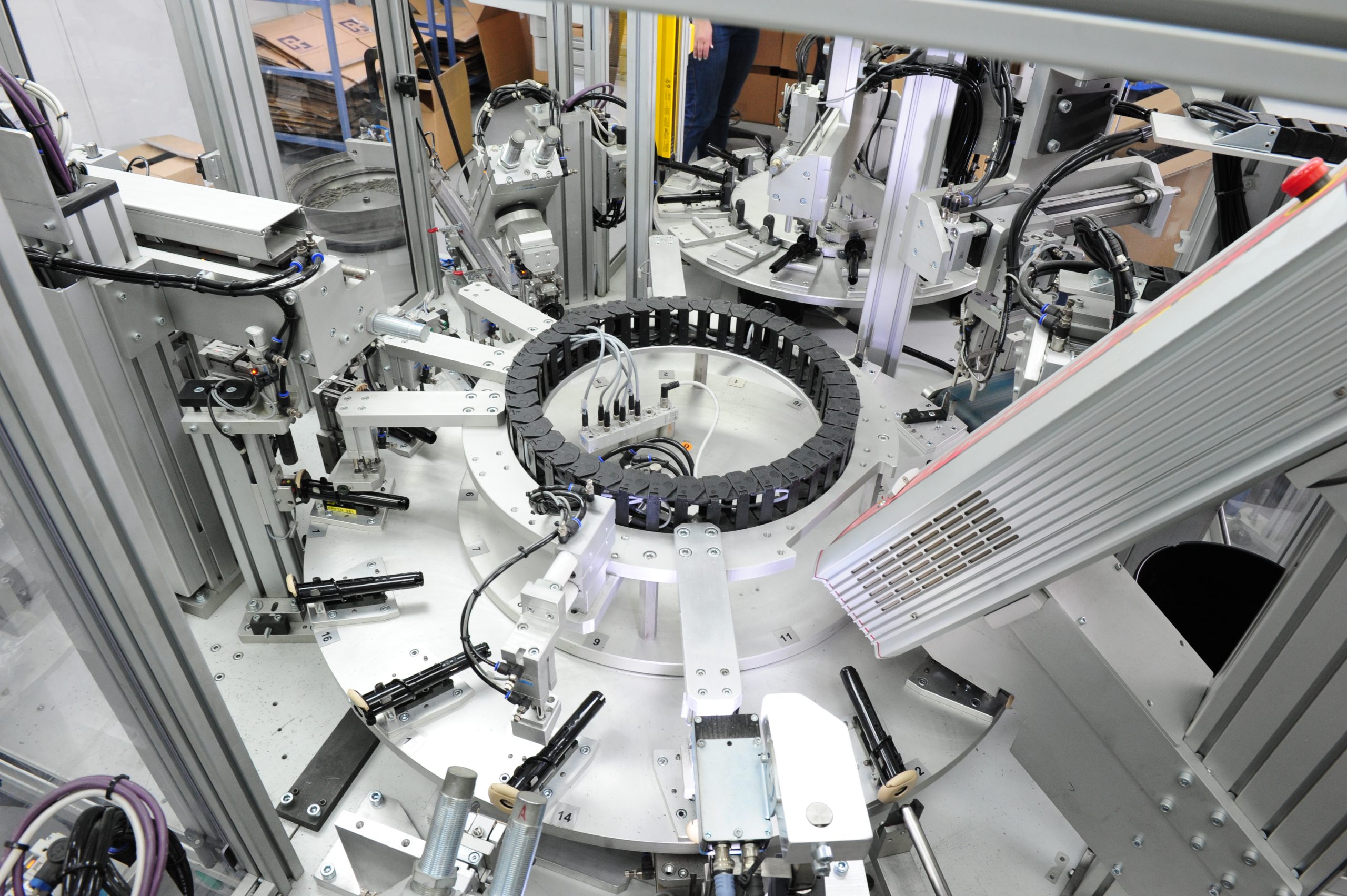
Assembly can remain manual, use dedicated fixtures and controls, or move into automation when volume, risk and repeatability justify the investment.
Typical applications: Multi-component assemblies, products with a defined sequence, controlled tightening or component-presence verification.
Engineering and manufacturing considerations: Tolerances, force or torque, assembly sequence, error prevention, traceability and production rate determine the required control level. Advanced Assembly & Automation
Inspection, Testing & Traceability
Inspection and downstream controls that can be integrated when a product requires verification, testing or identification as part of manufacturing.
The inspection level is defined by the product requirements and can range from a dedicated check to integration in a semi-automated or automated station.
Typical applications: Component verification, defect detection, feature checks and functional verification before the next manufacturing stage.
Engineering and manufacturing considerations: Acceptance criteria, natural variation, lighting, cycle rate, fixturing, data retention and production-line integration need to be defined. Advanced Assembly & Automation
The method, limits and test frequency are defined by project requirements and can be implemented in a dedicated station or integrated into the manufacturing process.
Typical applications: Sealed assemblies, fluid or air paths and products where sealing performance is an acceptance requirement.
Engineering and manufacturing considerations: Test method, range, stabilization time, fixturing, calibration, frequency and acceptance criteria should be defined for the specific product. Advanced Assembly & Automation
The solution may include marking, printing, codes, barcodes or Data Matrix identification according to project requirements and can connect part identification with production records.
Typical applications: Part identification, serial numbers, batch codes, barcodes, Data Matrix and markings required for assembly or packaging.
Engineering and manufacturing considerations: The method is selected according to material, surface, required durability, resolution, production rate and the data that needs to be retained. Advanced Assembly & Automation
RELATED CORE CAPABILITIES
Specialized processes remain connected to the core manufacturing system.
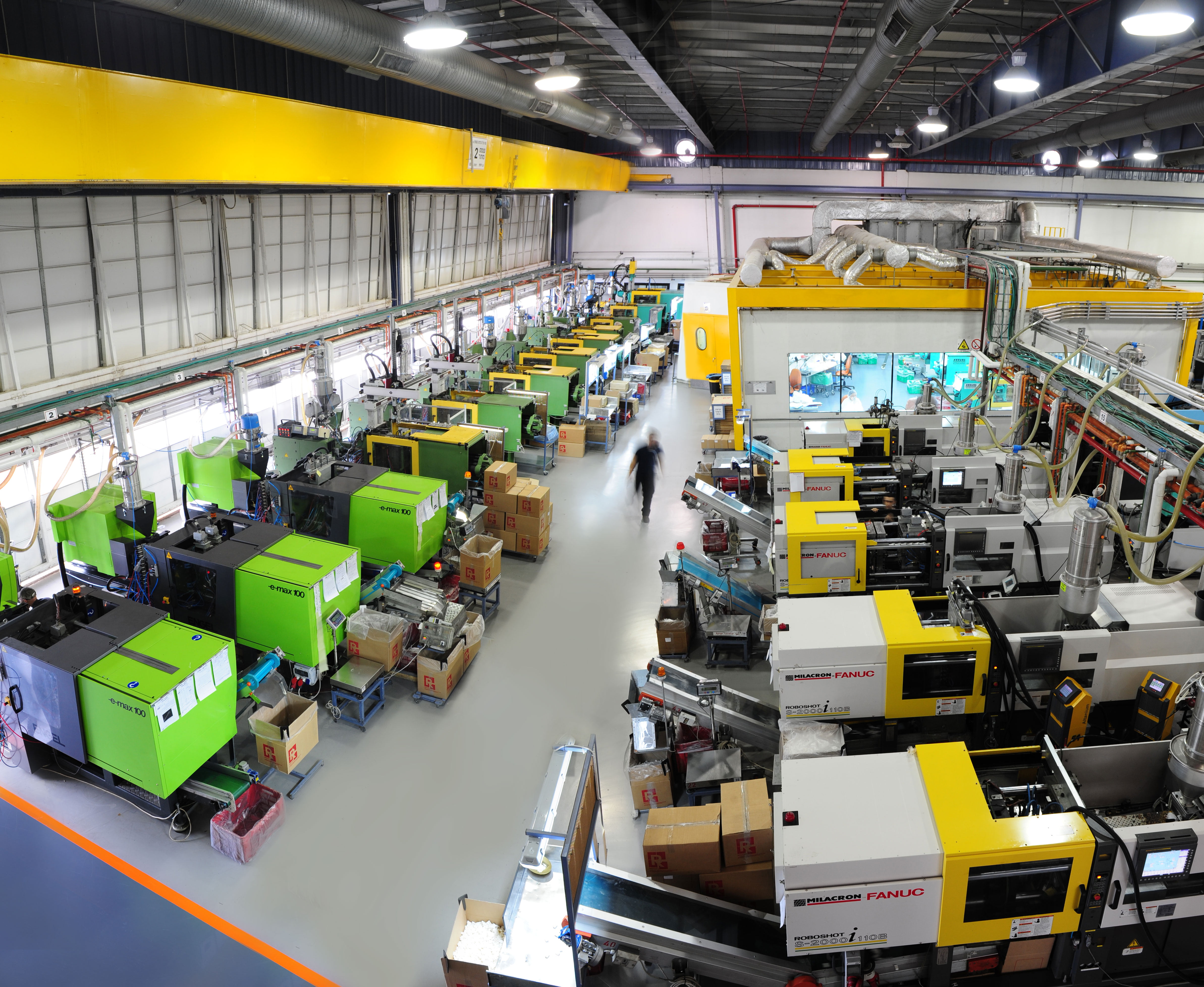
Engineering, tooling, injection molding, cleanroom manufacturing and assembly remain the main framework. The processes on this page are applied within that framework according to project requirements.

TECHNICAL DETAIL
Need the wider manufacturing range?
Machine range, materials, tooling, cleanroom, metrology, quality and downstream manufacturing data are consolidated in the Technical Capability Matrix.
- Reference
- Technical Capability Matrix
FAQ
Frequently asked questions
Are all processes on this page available for every product?
No. Process suitability depends on the product, material, mold, production volume, quality requirements and the relevant equipment. The page shows processes that can be integrated when they fit the project.
Can several specialized processes be used in one project?
Yes. A program may combine insert molding, assembly, inspection and marking within one manufacturing route. The sequence is defined around the product requirements.
Can Rimoni take over an existing mold?
Yes. An existing mold and process can be reviewed for transfer based on tool condition, documentation, material, machine compatibility, quality requirements and the validation needed before stable production.
When should a specialized process become its own capability page?
When it becomes a meaningful standalone field in terms of technical depth, business activity and customer demand. Until then it can remain part of the editable process system on this page.
START WITH THE PRODUCT
Have a manufacturing requirement that does not fit a single capability?
Send us the product, drawing or process requirement. We can review the process together with material, tooling, molding, assembly and the intended serial production route.