User-centered thinking
The product is shaped around real use, interaction, handling and ergonomic needs.

INDUSTRIAL DESIGN
Industrial design that connects user needs, product form and functional intent with the engineering and manufacturing path from the first concept.
DESIGN BEYOND APPEARANCE
Industrial design defines how people first understand, hold, operate and experience a product. Appearance matters, but so do usability, ergonomics, function, materials, durability and the way the product will ultimately be made.
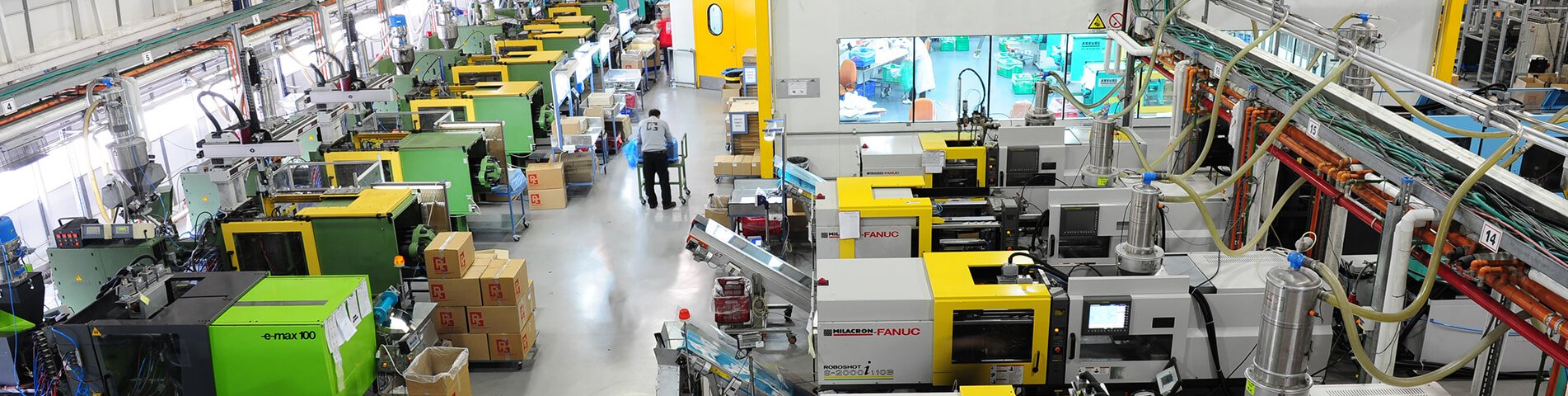
At Rimoni, industrial design is connected to engineering, tooling and manufacturing. That makes it possible to develop the product experience and visual language while keeping the path to production visible from the beginning.
The product is shaped around real use, interaction, handling and ergonomic needs.
Form, proportion and visual language are developed as one coherent product.
Interfaces, components and use scenarios are considered while the product language is still flexible.
Materials, part architecture and manufacturing constraints are considered early enough to influence the design intelligently.
DESIGN IN DEVELOPMENT
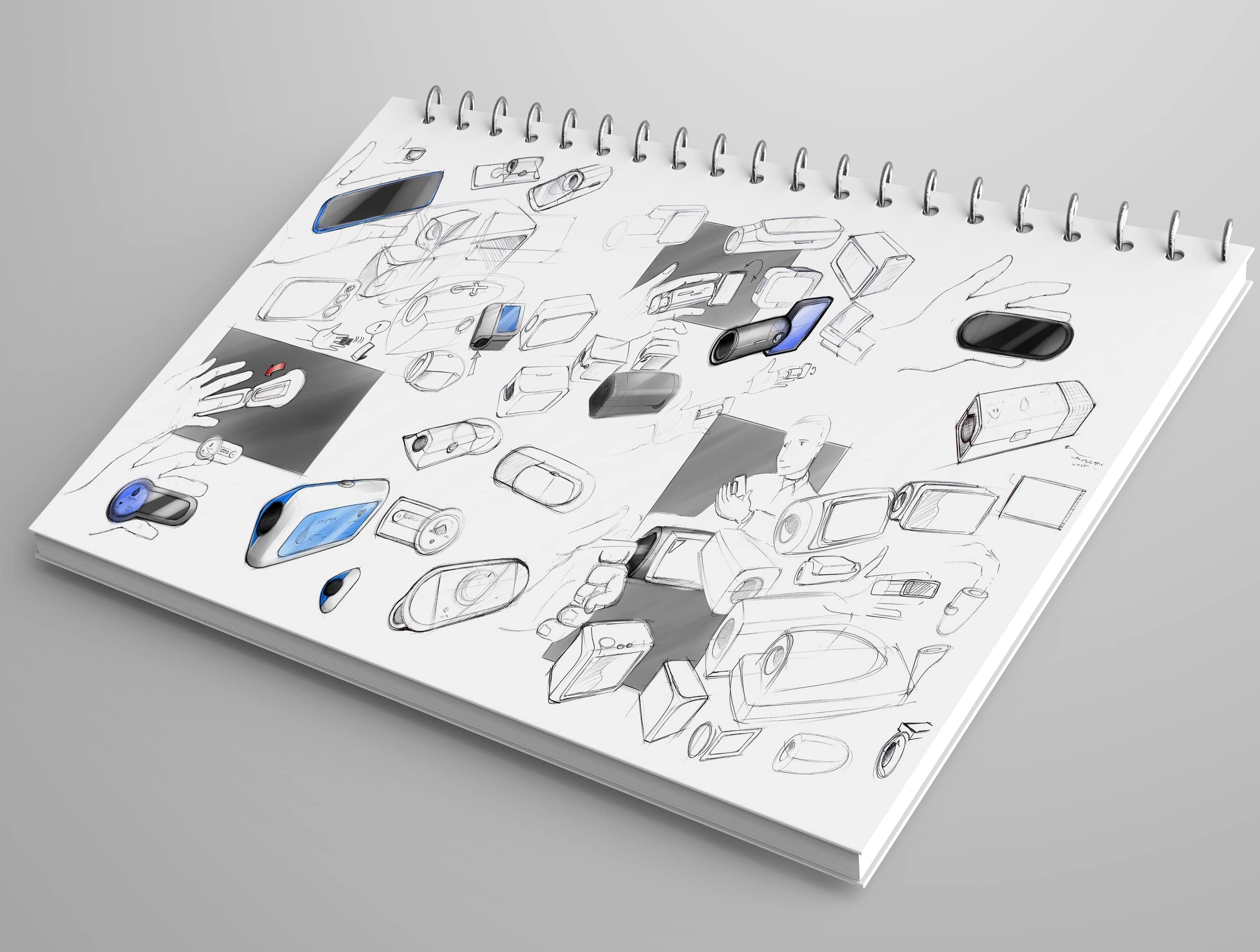
Use this space for authentic sketches, concept directions, ergonomic studies, prototypes, CMF decisions, models and the evolution from idea to product.



INDUSTRIAL DESIGN CAPABILITY
The work can begin with an idea, brief or existing product and develop the user experience, form, function and product language to the level needed for detailed engineering.
DESIGN QUESTIONS
The exact emphasis changes with the product. The objective is to create a clear design direction that works for the user, the product requirements and the manufacturing route that follows.
CONNECTED CAPABILITIES
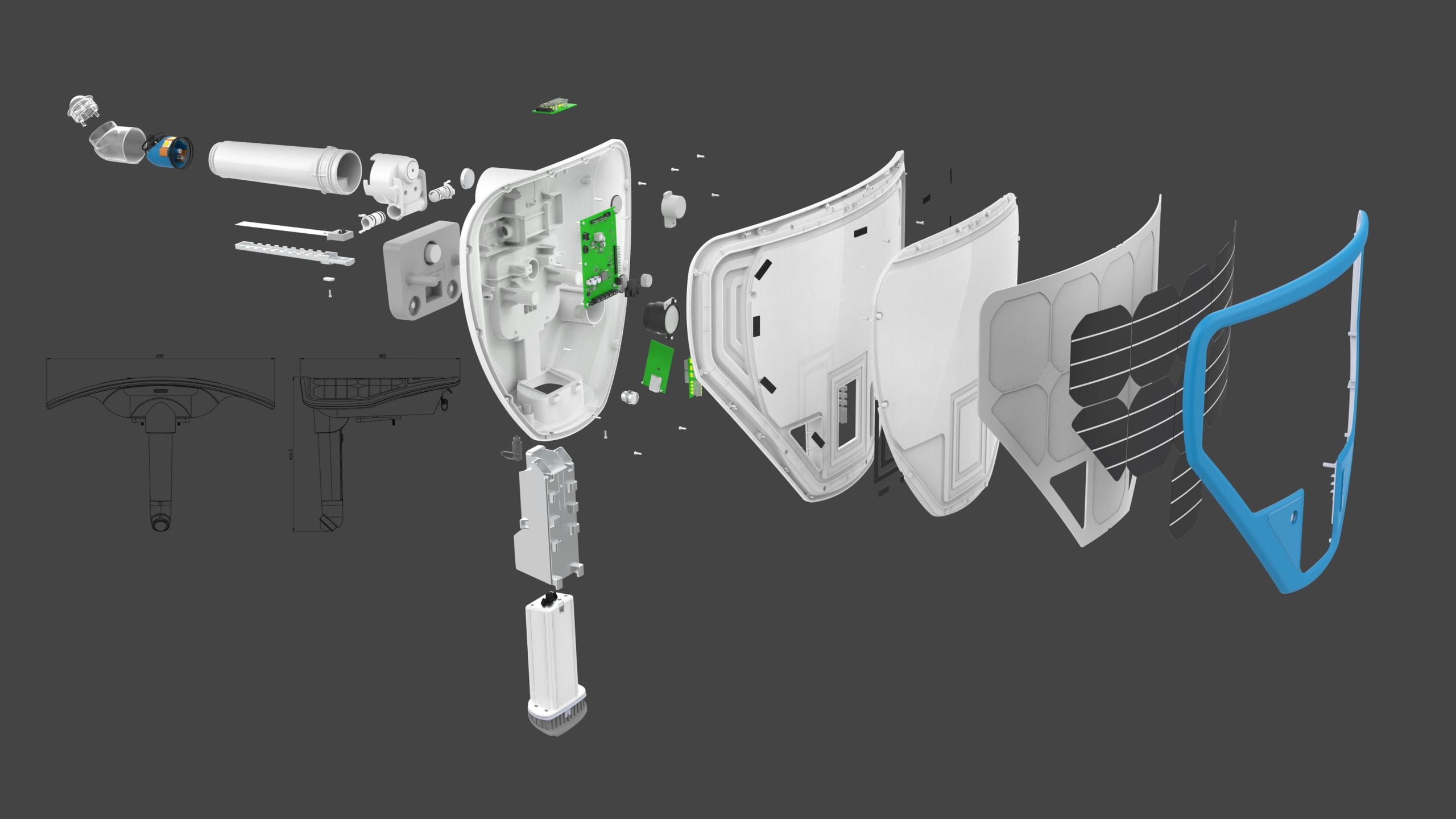
Product engineering and DFM that reduce tooling risk, optimize materials and prepare designs for reliable serial production.

In-house design and manufacturing of precision injection molds for complex, high-volume and long-term production programs.
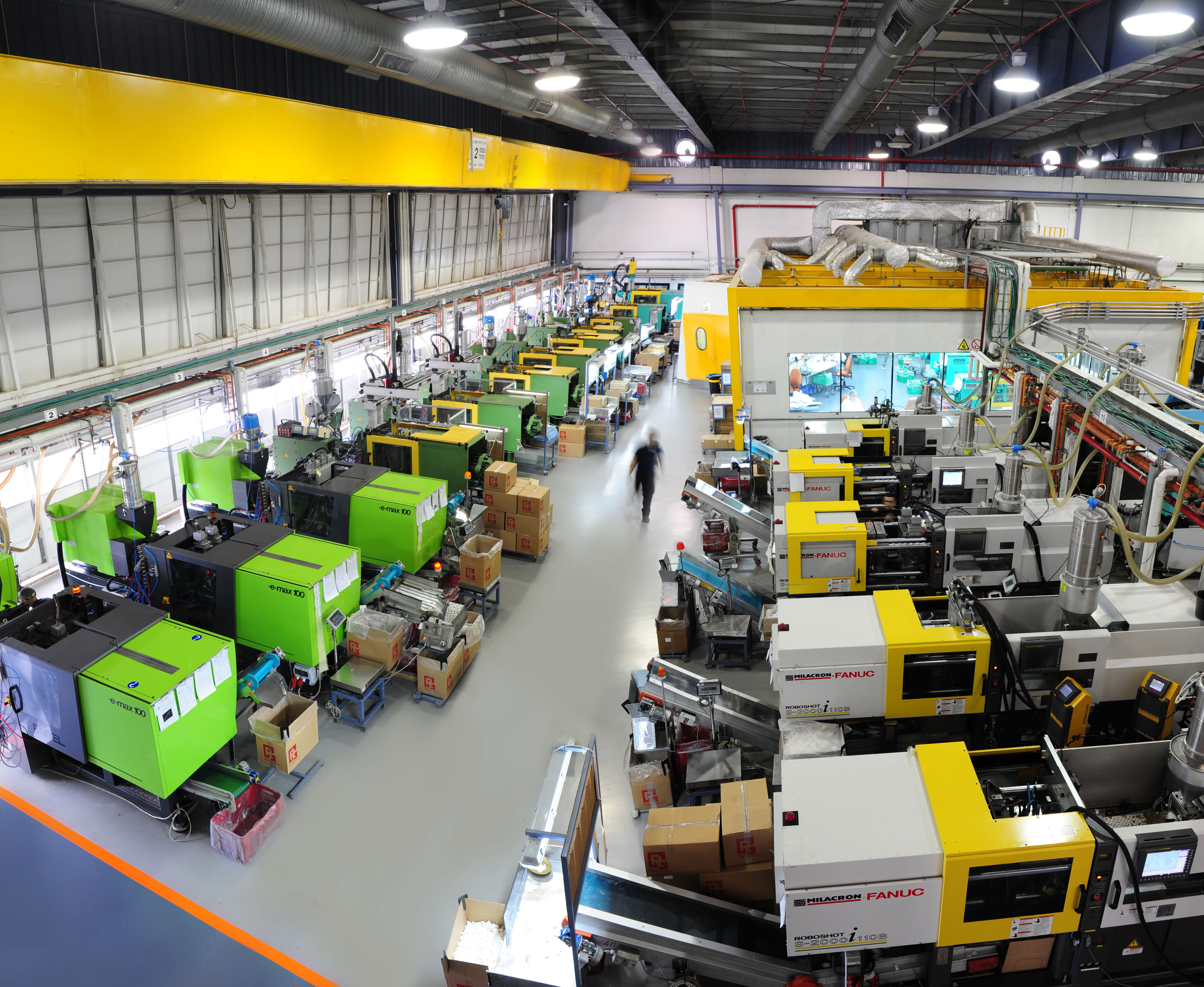
Design decisions stay connected to the molding process, material behavior and repeatable serial production.
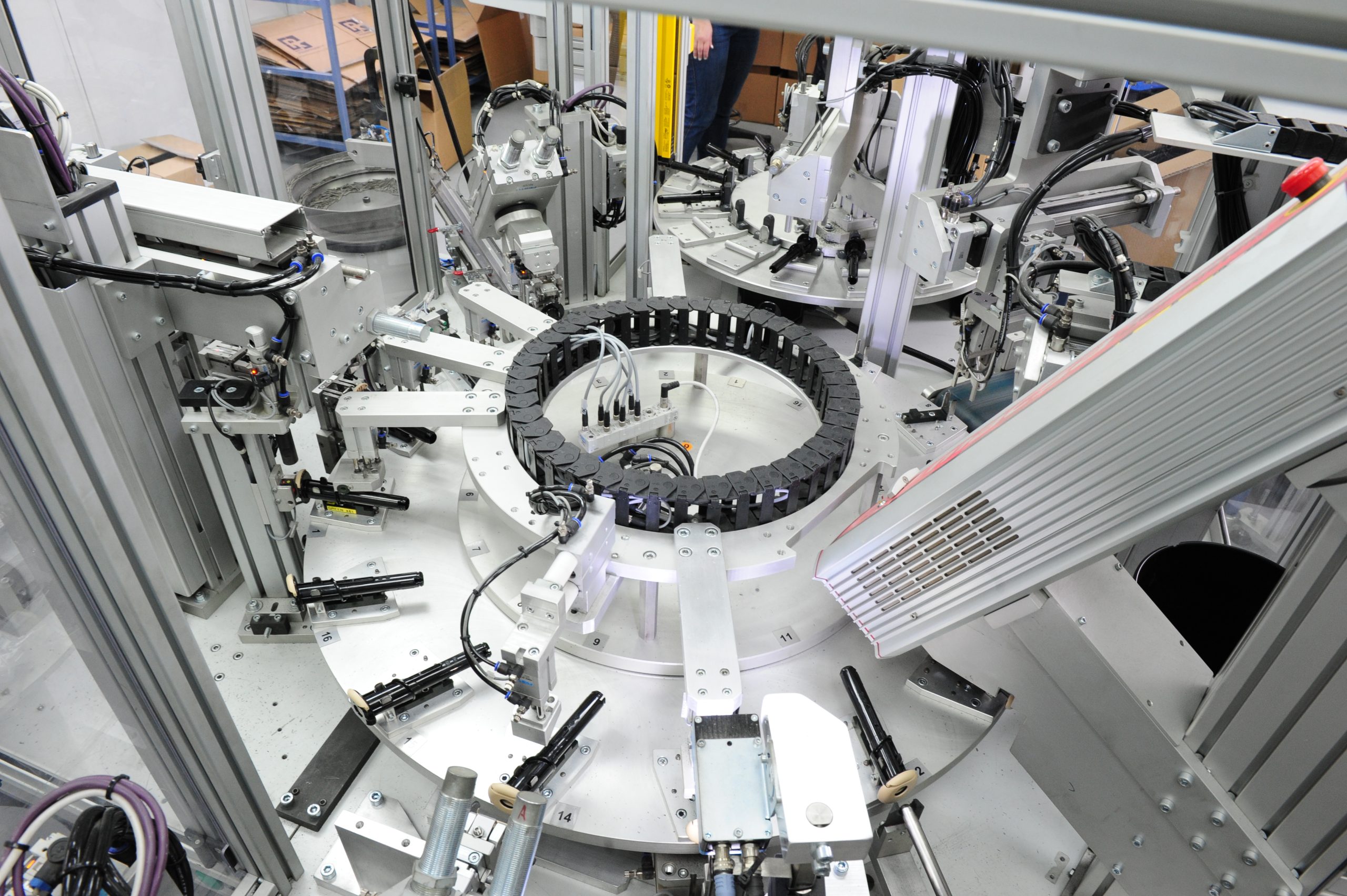
Interfaces, handling and assembly requirements can influence the product before the design is frozen.
SELECTED PROJECTS
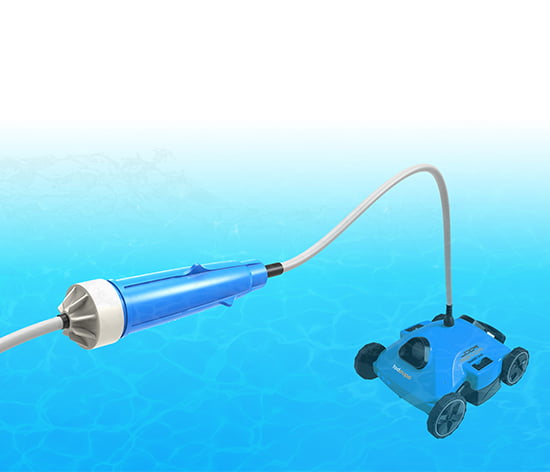
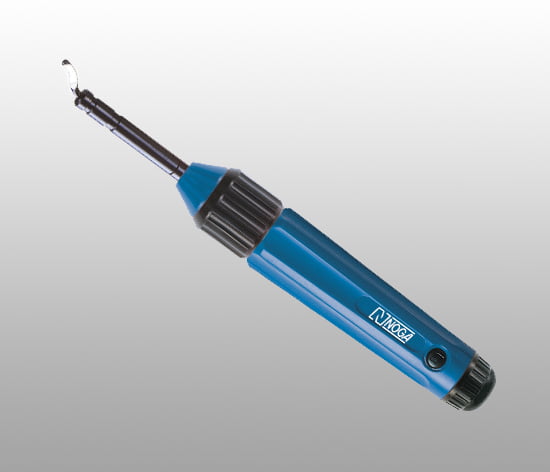
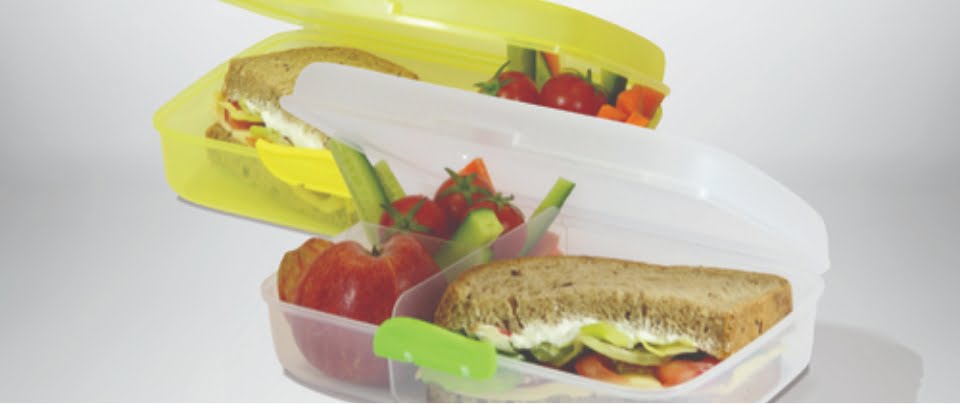
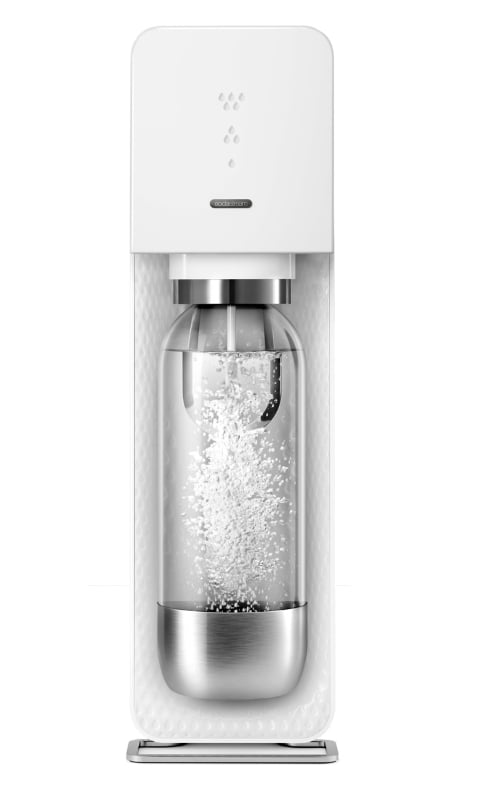
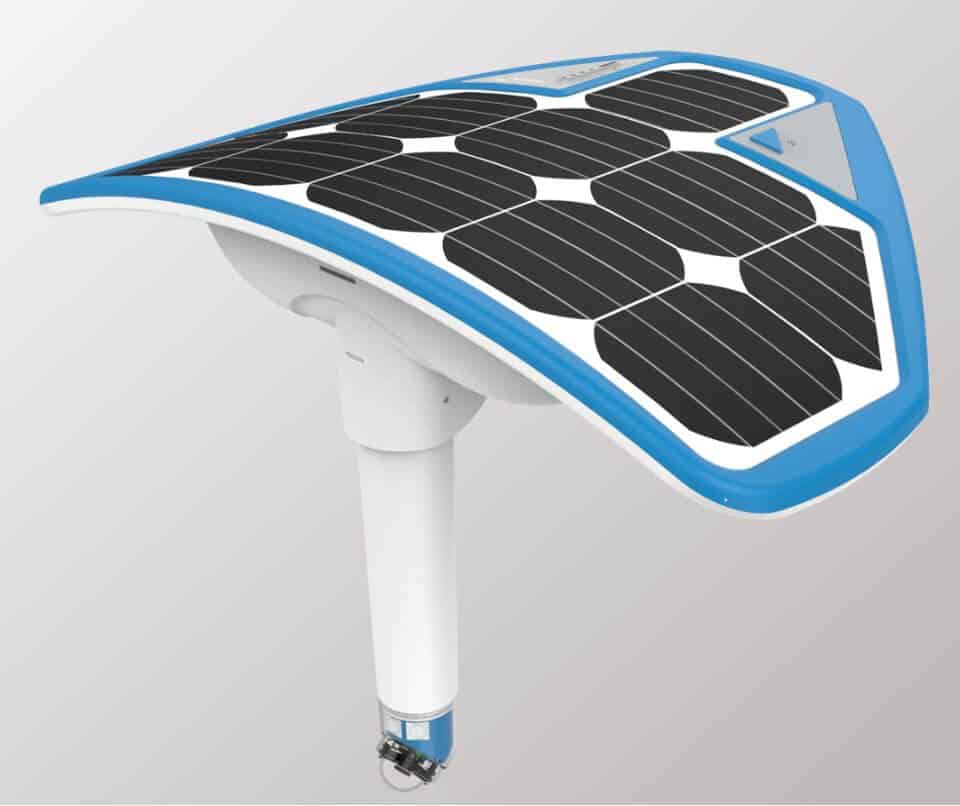
Selected projects from the existing Industrial Design page show how product form, usability, engineering and manufacturing come together in real products.
INDUSTRIES
User context, regulation, appearance, interfaces, environment and production requirements all influence the right design direction.
KNOWLEDGE CENTER
Selected articles can expand on product development, DFM, materials, user requirements and the transition from concept into engineering and manufacturing.
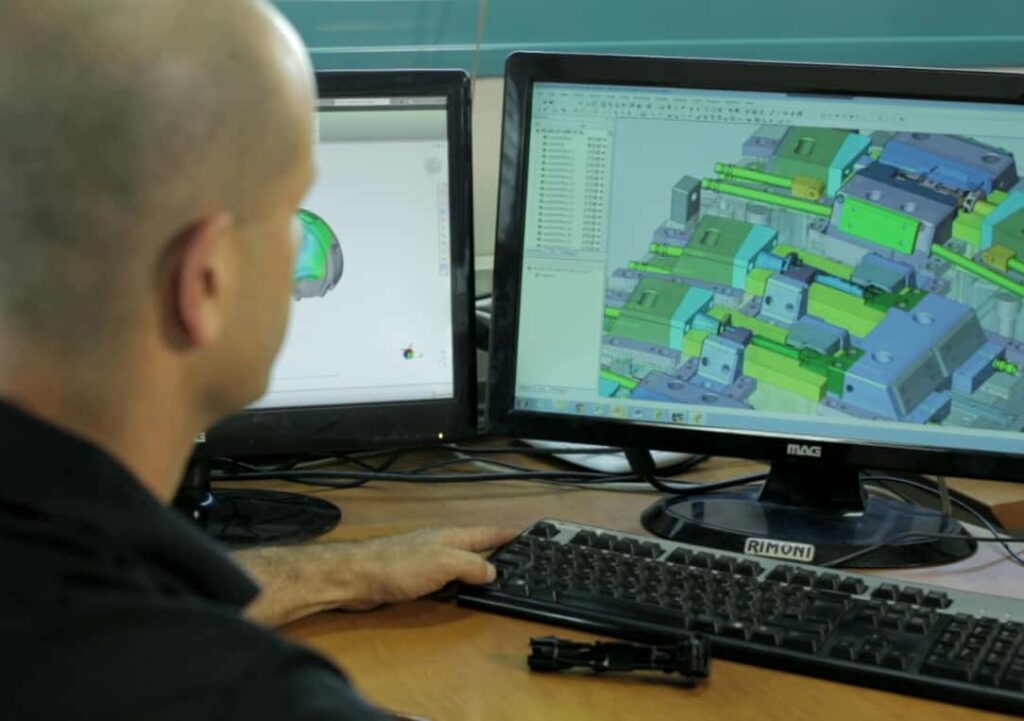
Why early mold design and DFM decide product quality: gating, cooling symmetry and ejection planning before steel is cut, and how in-house tooling shortens time-to-market.
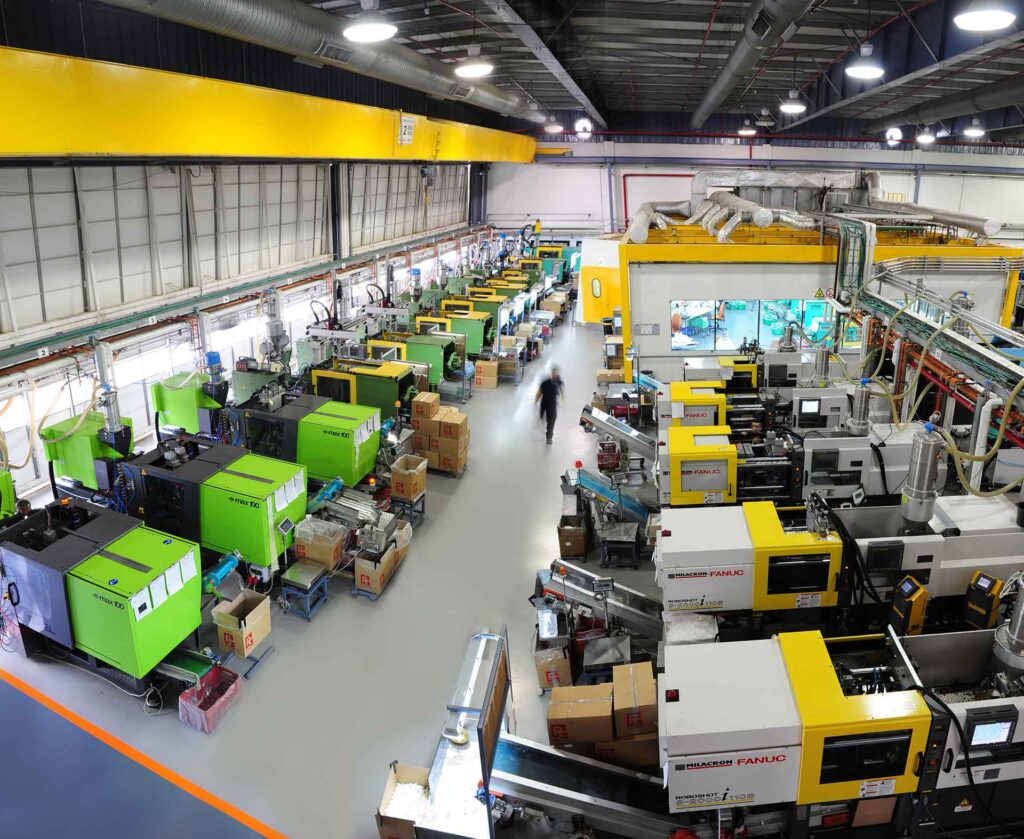
Plastic injection or steel? How production volume, unit cost, strength-to-weight ratio and part consolidation decide when a metal component should move to an engineering polymer.
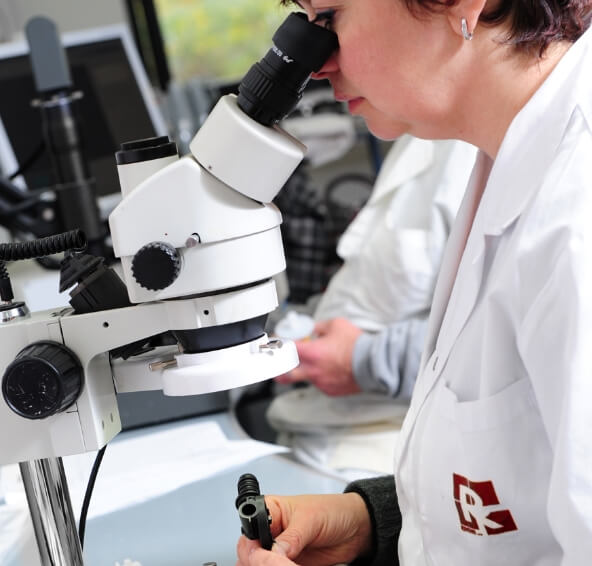
QUALITY STARTS WITH CLEAR PRODUCT INTENT
Functional requirements, material choices, interfaces and critical user interactions are easier to protect when they are defined early and carried into engineering and production.
Quality & Certifications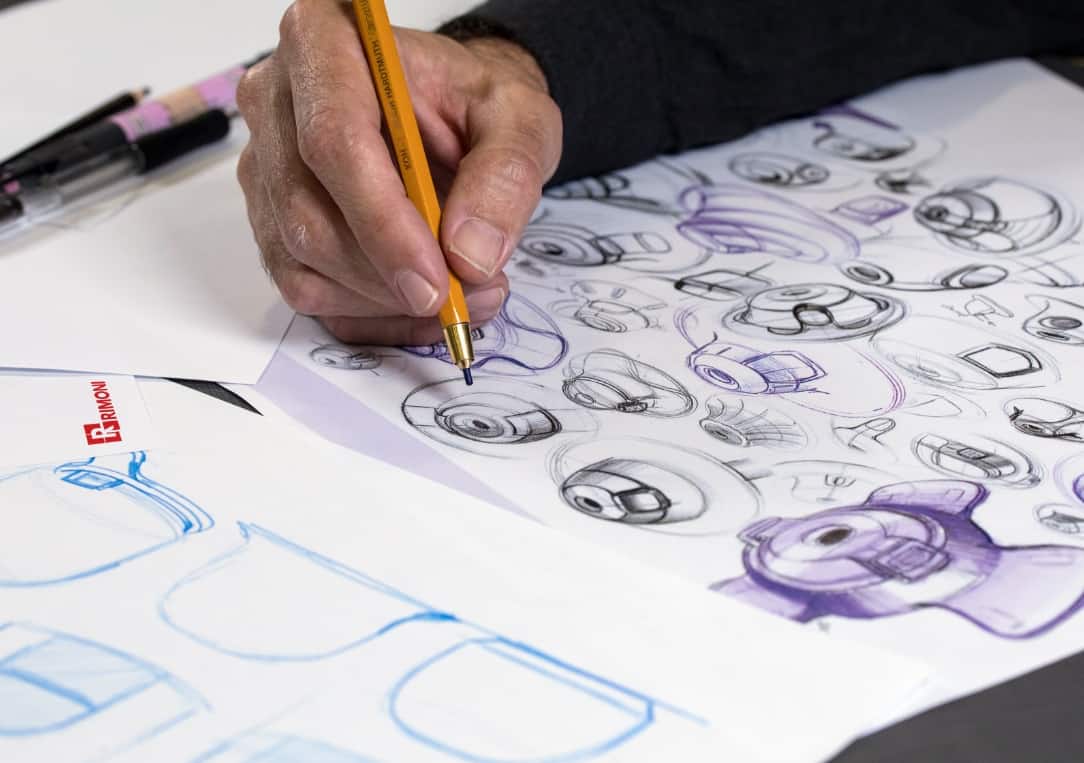
INDUSTRIAL DESIGN INSIDE A MANUFACTURING GROUP
Rimoni combines industrial design, engineering, tooling, injection molding, cleanroom production, assembly and automation. That context keeps the product experience connected to the realities of the full manufacturing path.
FAQ
Rimoni can join from an early idea or brief, during concept development, or later when an existing product needs redesign, usability improvement or preparation for engineering and manufacturing.
Yes. Usability and visual identity are developed together with materials, part geometry, assembly needs and the manufacturing route so the concept can continue efficiently into engineering and production.
Yes. Industrial design can continue directly into detailed product engineering, DFM, mold design and manufacturing, injection molding, assembly and serial production.
Yes. Existing products can be reviewed for usability, ergonomics, appearance, part consolidation, manufacturability and production cost while preserving the product requirements that already work.
LET’S TALK
Send what you already have. We can define the industrial design scope, develop the product direction and connect the work directly into engineering and manufacturing when relevant.